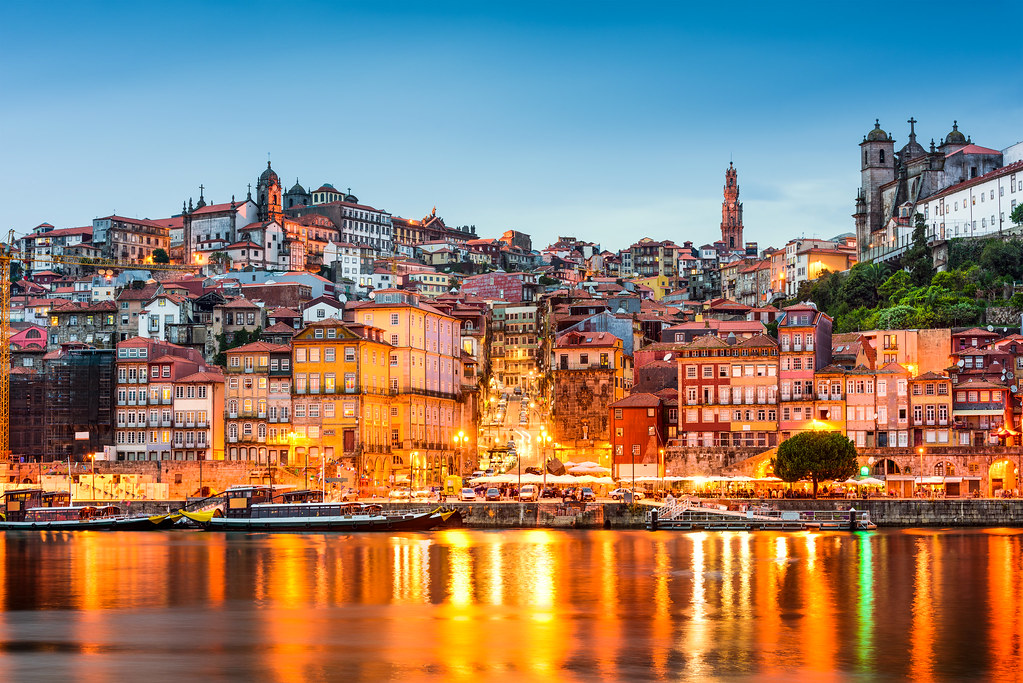
There are more things to do in Porto than a long weekend can hold, and my first visit proved it in the worst way. I spent day one overpaying for taxis, queuing outside a bookshop I never got into, and eating a forgettable lunch on the riverfront because it was the closest place with an English menu. That evening, standing on the Dom Luís I Bridge while the sun turned the terracotta rooftops gold, I started writing the list I wish someone had handed me at the airport.
This is that list. Porto is a UNESCO-listed city built on granite, port wine and a stubborn refusal to hurry, and it rewards visitors who know where to point themselves. Below are the fifteen best things to do in Porto, ordered roughly by how much they shaped my trip — plus the free options, the after-dark options, and the practical details that make the difference between a smooth visit and an expensive one.
The Best Things to Do in Porto at a Glance
Short on time? Here’s the shortlist before we get into the detail:
- Cross the Dom Luís I Bridge on the upper deck at sunset
- Tour a port wine cellar in Vila Nova de Gaia
- Ride historic Tram Line 1 along the Douro
- Book ahead for Livraria Lello
- Stand in the azulejo-covered hall of São Bento station
- Climb the Clérigos Tower
- Eat well beyond the Francesinha
- Graze your way through Bolhão Market
- Join a free walking tour on your first morning
- Wander Cedofeita and Bonfim
- Take a break in the Crystal Palace Gardens
- Watch the sun go down from a miradouro
- Get sea air at Foz do Douro and Matosinhos
- Give a full day to the Douro Valley
- Do nothing in particular, on purpose
1. Cross the Dom Luís I Bridge on Foot
Gustave Eiffel’s protégé built this double-deck iron bridge in 1886, and walking it is still the single best free thing to do in Porto. Take the upper deck, which carries the metro and pedestrians about 60 metres above the water — the view back over Ribeira’s stacked houses is the postcard shot everyone comes for, and it costs nothing.
Go about 45 minutes before sunset, cross to the Gaia side, and stay for the light. The lower deck is the practical route if you’re heading straight into Ribeira from the wine cellars.
2. Tour a Port Wine Cellar in Vila Nova de Gaia
The city gave port its name, but the wine itself ages across the river in Vila Nova de Gaia, where the big houses have stored barrels in cool riverside lodges for centuries. A tour typically runs 45 minutes to an hour and ends with a tasting of two or three styles.
Sandeman and Cálem are the crowd-pleasers with the slickest visitor experiences. Taylor’s has the better garden and a more serious tasting. Graham’s sits highest up the hill with the best views. If you only do one, pick a smaller house and book a tasting-led tour rather than a walk-through — you’ll learn considerably more about the difference between a tawny, a ruby and a late-bottled vintage.
Pro tip: Book the last slot of the day. Groups are smaller, guides are chattier, and you emerge into golden hour on the Gaia waterfront.
3. Ride Historic Tram Line 1 Along the Douro
Porto’s wooden heritage trams are a genuine attraction rather than a transport option, and Line 1 is the one to take: it runs from Infante, near Ribeira, west along the river all the way to Passeio Alegre in Foz. Twenty-five minutes, big open windows, the Douro on your left the whole way.
One thing nobody told me: the historic trams are not covered by the Andante Tour pass. You buy a separate ticket on board. Sit on the river side and go early if you want a seat.
4. Visit Livraria Lello — But Book Your Ticket First
The famously ornate bookshop with the crimson staircase draws a queue around the block for most of the day. I turned up without a ticket on my first trip, saw the wait, and walked away.
Buy online through the official Livraria Lello site and choose a time slot. Entry starts at around €10 and the value is redeemable against a book, so it’s effectively free if you were going to buy something anyway — check current pricing before you go, as the ticket tiers change. First slot of the morning is the only genuinely calm time to visit.
If it’s bookshops rather than architecture that draw you, the secondhand stores along Rua de Cedofeita and the traditional shops near Praça de Carlos Alberto are quieter, cheaper and free to browse.
5. Stand in the Entrance Hall of São Bento Station
Twenty thousand hand-painted azulejo tiles cover the walls of a working train station, depicting Portuguese battles, royal processions and rural life. It takes ten minutes, costs nothing, and it’s one of the most underrated things to do in Porto because most visitors pass through without looking up.
Come before 9am or after 7pm to photograph it without a crowd. While you’re tile-hunting, add the Capela das Almas at Bolhão and the Igreja do Carmo’s enormous blue side panel.
6. Climb the Clérigos Tower
Two hundred and forty granite steps up a narrow baroque spiral, and at the top, a 360-degree view over the whole historic centre — river, bridges, rooftops, the lot. Tickets run roughly €8–10 for the combined tower, church and museum, and the climb takes ten to fifteen minutes at a steady pace.
The staircase is tight and there’s no lift, so skip it if you’re claustrophobic. The Porto Cathedral terrace is a gentler alternative with an almost-as-good panorama.
7. Eat Well Beyond the Francesinha
Everyone arrives wanting the Francesinha — the layered sandwich buried under melted cheese and beer sauce — and you should try it once, ideally at Café Santiago or Brasão. But treating it as the whole of Porto’s food scene is a mistake.
- Tripas à Moda do Porto — the tripe and bean stew the city is named for. Sounds intimidating, rewards the adventurous.
- Bacalhau — salt cod, prepared a hundred different ways. Bacalhau à Gomes de Sá is the local favourite.
- Pastéis de nata — custard tarts, best warm, best with a bica (espresso) mid-morning.
- Bifana — a marinated pork sandwich that costs a few euros and beats most sit-down lunches.
The rule that saved me the most money: walk two streets back from the river. Ribeira’s waterfront terraces charge a premium for the view. The tascas — small family-run restaurants — in Bonfim and Cedofeita serve a proper lunch, bread and a glass of wine included, for a fraction of it.
8. Graze Your Way Through Bolhão Market
Porto’s century-old covered market reopened after a long renovation and is back to doing what it does best: fish, produce, cured meats, cheese, and stallholders who’ve been there for decades. Come hungry and mid-morning, when the market is busy with locals rather than tour groups.
Buy a wedge of Serra da Estrela cheese, some presunto and a bottle of Vinho Verde and you have a picnic for the Crystal Palace Gardens later.
9. Take a Free Walking Tour on Your First Morning
If I could redo my first day, I’d start here. A two- to three-hour walking tour orients you geographically, gives you the historical thread that ties the monuments together, and hands you restaurant recommendations no guidebook has caught up with yet.
Porto Walkers and Porto Free Tour both run solid English-language departures. “Free” means tip-based — €10–15 per person is the going rate for a guide who did a good job.
10. Wander Cedofeita and Bonfim
Ribeira is beautiful and thoroughly discovered. The neighbourhoods where Porto actually lives are ten minutes’ walk uphill. Cedofeita has the galleries, independent shops and third-wave coffee; Bonfim is scruffier, cheaper and full of the kind of restaurants where nobody hands you an English menu unless you ask.
This is also the most underrated of the free things to do in Porto — an afternoon of aimless walking through these two districts will show you more of the city than a monument checklist.
11. Take a Break in the Crystal Palace Gardens
Formally the Jardins do Palácio de Cristal, these terraced gardens sit on a bluff above the Douro with peacocks wandering the hedges and one of the best free viewpoints in the city at the western edge. Free entry, open daily, and blissfully quiet compared to the riverfront.
12. Watch the Sunset From a Miradouro
Porto is a city of viewpoints, and the locals treat sunset as an event. Three worth your time:
- Miradouro da Vitória — rooftops, cathedral, river, all in one frame
- Jardim do Morro (Gaia side, top of the bridge) — busy, sociable, worth it anyway
- Miradouro da Serra do Pilar — the widest view of the bridge and the old city
13. Get Sea Air at Foz do Douro and Matosinhos
Where the Douro meets the Atlantic, the city changes character entirely: a long promenade, crashing surf, a lighthouse and a row of seafood restaurants. Take Tram 1 or bus 500 out to Foz, walk the seafront north, and end up in Matosinhos for grilled fish — the fishing port district is where locals go for sardines and robalo cooked over charcoal.
Half a day, minimal planning, and a complete change of pace from the historic centre.
14. Give a Full Day to the Douro Valley
My biggest regret from my first trip was not making time for this. The Douro Valley — terraced vineyards carved into hillsides above the river, another UNESCO site — is where the port grapes actually grow, and the landscape alone justifies the journey even if you never touch a glass.
- By train — the line from Campanhã to Pinhão hugs the river for the final hour and takes about 2.5 hours. Cheap, scenic, sit on the right side going out.
- Guided tour — the easiest way to visit two or three quintas (wine estates) without a designated driver.
- River cruise — longer options typically run March to November.
If your trip is three days or longer, block out one full day for this. Don’t try to squeeze it into a half-day.
15. Do Nothing in Particular, on Purpose
In my rush to tick off attractions, I nearly missed the thing that makes Porto worth returning to: its unhurried, slightly melancholy, deeply lived-in atmosphere. Leave gaps in the itinerary for a long coffee at Café Majestic, for street musicians in Praça da Liberdade, for following an alleyway because the tiles looked interesting.
Porto isn’t a city you complete. It’s a city you settle into.
Free Things to Do in Porto
Porto is unusually generous to travellers on a budget. These cost nothing:
- Walking both decks of the Dom Luís I Bridge
- São Bento station’s azulejo hall
- The Crystal Palace Gardens and every miradouro in the city
- The Foz seafront promenade and Matosinhos beach
- Several municipal museums, free on Sunday mornings — check current hours before you go
- Browsing Bolhão Market and the shops of Cedofeita
Things to Do in Porto at Night
Evenings here start late and stay relaxed. Galerias de Paris and the surrounding streets are the nightlife hub, where the crowd spills onto the pavement from around 11pm. For something quieter, a fado house in the old town offers a two-hour set of Portugal’s melancholy national music; book ahead, as the good venues are small.
The bridge and the Gaia waterfront are lit after dark and the walk back across is one of the better things to do in Porto after dinner — it costs nothing and the city looks entirely different.
Practical Tips Before You Start Ticking Things Off
Getting Around: Skip the Taxis
My first mistake in Porto was defaulting to taxis. The Andante system covers the metro, city buses and suburban trains, and the Andante Tour pass — currently around €7.75 for 24 hours or €16.55 for 72 hours, all zones — costs less than two or three taxi rides.
Two things worth knowing: the metro runs directly from the airport into the centre, and the Andante Tour is not valid on the historic trams or the Guindais funicular, which need separate tickets. Validate your card every time you board, even where there are no barriers.
Where to Stay
Ribeira looks perfect in photos and costs accordingly, with noise until late and constant foot traffic. The city is compact enough that staying outside the centre still leaves you a short walk or metro ride from everything.
| Neighbourhood | Pros | Cons |
|---|---|---|
| Vila Nova de Gaia | Spectacular views back at Porto, quieter, walking distance to the port cellars | You cross the bridge every time you head into the city |
| Cedofeita | Artistic, walkable, excellent cafés and independent shops, genuinely local | Fewer tourist services, less English spoken |
| Bonfim | Lower prices, some of the best neighbourhood restaurants in the city | Further from the main sights, still gentrifying |
What to Pack
“Four seasons in one day” describes Porto’s weather accurately. Atlantic systems roll in fast, even in summer. Bring a lightweight waterproof jacket, walking shoes with real grip for the polished cobbles, layers, and sunscreen — the UV index climbs higher than the temperature suggests.
Summer visitors should check whether their accommodation has air conditioning, as many older buildings don’t. Winter visitors should expect damp cold and poor insulation.
Staying Safe
Porto is safer than most European cities of its size, but pickpockets work the predictable spots: São Bento station, crowded trams, and Ribeira at peak hours. Wear a crossbody bag with the zip facing in, keep your phone out of a back pocket, and pay attention when you’re distracted by a map or a camera. Festivals and street events are when to be most careful.
A Few Words of Portuguese
English is widely spoken in tourism, less so two streets away from it. A handful of phrases changes the temperature of most interactions:
- “Bom dia / Boa tarde / Boa noite” — Good morning / afternoon / evening
- “Por favor” — Please
- “Obrigado / Obrigada” — Thank you (masculine / feminine speaker)
- “Fala inglês?” — Do you speak English?
- “A conta, por favor” — The bill, please
How Many Days Do You Need in Porto?
One day covers the historic centre: São Bento, Clérigos, Livraria Lello, lunch away from the river, then the bridge at sunset and a port tasting in Gaia.
Two days adds Bolhão, Cedofeita, the Crystal Palace Gardens and an afternoon at Foz.
Three or four days is the sweet spot — it buys you a full Douro Valley day plus enough slack to do nothing at all for an afternoon, which is the whole point.
Frequently Asked Questions
What is Porto best known for?
Port wine, its UNESCO-listed historic centre, the blue-and-white azulejo tiles covering churches and stations, and the iron Dom Luís I Bridge over the Douro River.
What is the best time of year to visit Porto?
May, June and September offer warm weather without August’s crowds and prices. June is also when São João, the city’s biggest street festival, takes over on the night of the 23rd.
Is Porto walkable?
Very, but it’s built on steep hills and slippery cobblestones. Most sights in the historic centre are within a 25-minute walk of each other; the funiculars and the metro handle the worst climbs.
Is Porto expensive?
It remains one of Western Europe’s better-value cities, particularly for food and transport. The main costs that surprise visitors are riverfront restaurants and Ribeira accommodation — both avoidable.
Do you need to book attractions in advance?
Livraria Lello and port cellar tours, yes — especially in summer. Almost everything else you can turn up for.
Final Thoughts
The best things to do in Porto aren’t a checklist to race through. They’re a bridge at the right hour, a tasting room that smells of oak and sweet wine, a lunch you found by walking two streets in the wrong direction. Book the two or three things that need booking, learn how the Andante card works, and leave the rest of your itinerary loose.
Porto will fill the gaps itself. That’s why people keep going back.
What would you add to this list? If you’ve found a viewpoint, a tasca or a tasting room worth sharing, drop it in the comments — I update this guide as readers send in recommendations.