Scotland packs an absurd amount of variety into a country roughly the size of South Carolina. You can have breakfast in a medieval capital, drive three hours, and be standing on an empty white-sand beach that looks like the Caribbean until you touch the water. The catch is that the best places to visit in Scotland are spread across a lot of single-track road, and the country’s weather rewards travelers who plan around it rather than hope for the best.
This guide covers where to go and — just as important — when. Because the best month to visit Scotland genuinely changes what your trip looks like.
Quick answer
The best month to visit Scotland is May. You get long daylight (16+ hours), the lowest rainfall of the year, blooming gorse and bluebells, and — critically — the midges haven’t hatched in force yet. September is the strong runner-up: fewer crowds, autumn color, and cooler-but-clear conditions. Avoid late June through August if you’re hiking the west coast, when midges peak.
For the destinations themselves, the essential shortlist is Edinburgh, the Isle of Skye, Glencoe, the Cairngorms, and the Outer Hebrides.
Best month to visit Scotland: a month-by-month breakdown
Scotland’s weather is famously changeable, but the patterns are real. The east coast (Edinburgh, Aberdeen) is drier than the west (Glasgow, Skye, Fort William) — sometimes by half. Daylight swings wildly: about 7 hours in December, over 17 in June.
January — Around 7 hours of daylight. Cold, dark, and wet, with snow in the Cairngorms and the cheapest hotel rates of the year. Skip it unless you’re skiing.
February — About 9 hours of light. Similar conditions, but the days are visibly lengthening. Reasonable for a cozy city break on a budget.
March — Roughly 12 hours. Genuinely unpredictable. Lambs in the fields and early daffodils, but still cold. A true shoulder month.
April — Around 14 hours. Underrated and lovely: relatively dry, uncrowded, and completely midge-free.
May — About 16 hours. The driest month of the year, with long days and no midges to speak of. The best all-round choice.
June — Peak daylight at roughly 17.5 hours, stretching into the “simmer dim” further north. Excellent conditions, though midges begin appearing and crowds build.
July — Warmest month at about 17 hours of light. Also the busiest, and the worst for midges on the west coast.
August — Around 15 hours. This is Edinburgh Festival month, which transforms the capital and roughly triples its prices. Whether that’s good or bad depends entirely on why you’re going.
September — About 13 hours. Heather in bloom, beautiful autumn light, thinning crowds, and fading midges. Excellent.
October — Roughly 11 hours. Real autumn color and real rain, with the days shortening fast. A good shoulder month.
November — About 9 hours. Dark and wet, and some island ferry routes cut back their schedules. Generally one to skip.
December — Around 7 hours. Christmas markets and Hogmanay make the cities worthwhile, but there’s very little daylight for anything else.
The midge question
This is the single most under-discussed variable for American visitors. Highland midges are tiny biting flies that swarm in still, damp, overcast conditions at dawn and dusk, primarily on the west coast and Highlands from late May through September. They peak in July and early August.
They will not ruin a city trip. They can absolutely ruin a lochside campsite in July. If you’re hiking, camping, or fishing, either travel in April–May or September–October, or bring a head net. Wind and bright sun both shut them down completely.
The 12 best places to visit in Scotland
1. Edinburgh
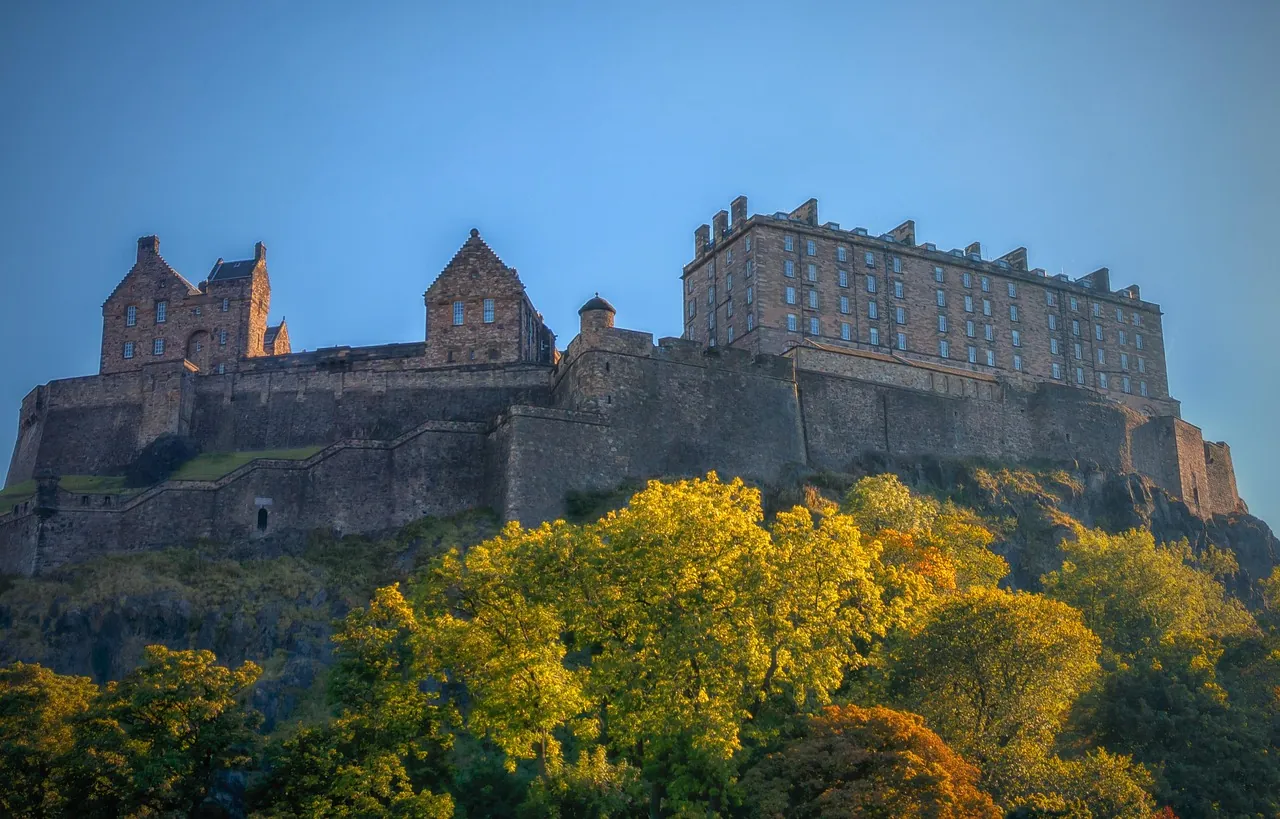
Scotland’s capital does the “walk into a film set” thing better than almost anywhere in Europe. The Old Town’s closes and wynds tumble down from Edinburgh Castle along the Royal Mile; the Georgian New Town next door is a UNESCO-listed grid of elegant townhouses. Climb Arthur’s Seat, an extinct volcano in the middle of the city, for the view that explains the geography.
Time it right: August brings the Edinburgh Festival Fringe, the largest arts festival on earth. It’s extraordinary and it triples accommodation prices. May, June, and September are far more pleasant for sightseeing.
2. Isle of Skye
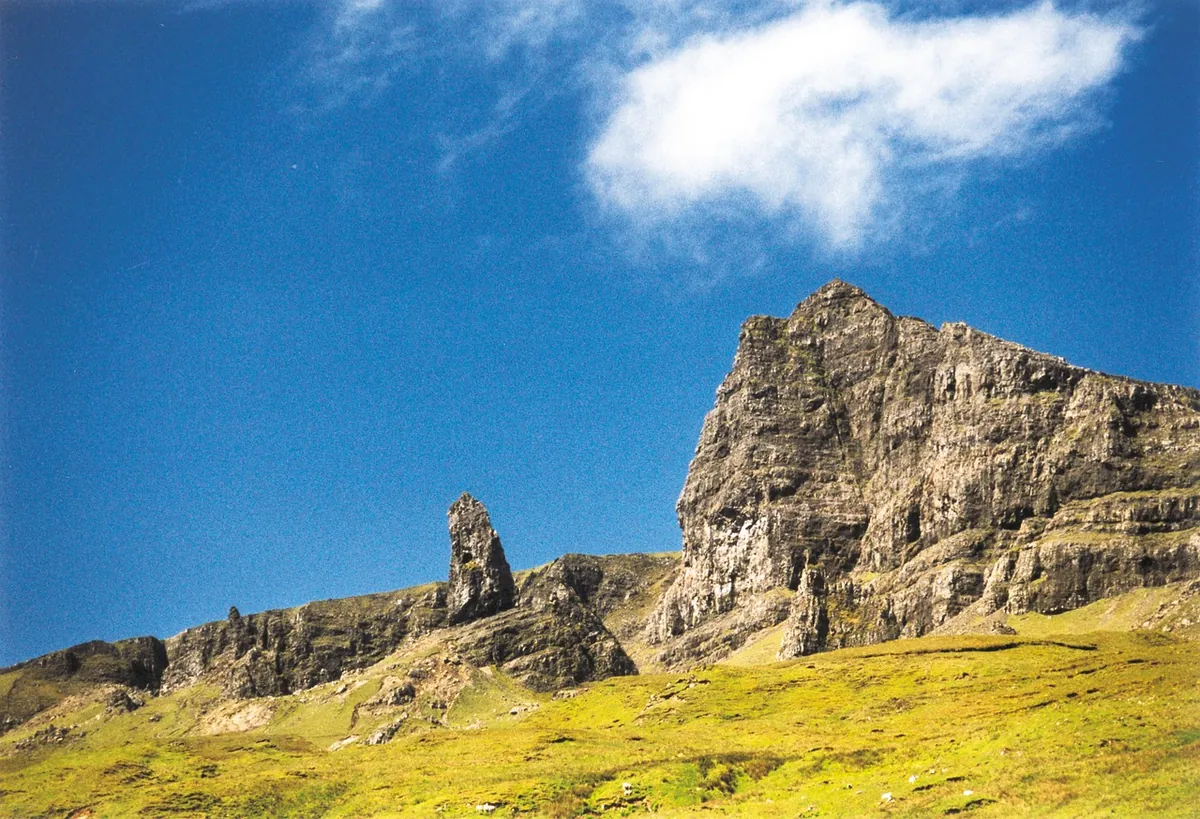
The most photographed place in Scotland, and deservedly so — the Cuillin ridge, the Old Man of Storr, the Quiraing landslip, and the Fairy Pools deliver landscape drama on a scale that feels unreasonable. It’s also the most crowded, with limited parking and a road network that was not designed for this volume of traffic.
Go early, go late, or go in the shoulder season. Book accommodation months ahead for summer. And consider basing yourself in Portree or, better, staying on the mainland at Plockton and day-tripping.
3. Glencoe
A glacial valley of near-vertical walls that ranks among the most spectacular drives anywhere. There’s genuine history under the beauty — the 1692 massacre of the MacDonalds happened here. Hikes range from the accessible Signal Rock loop to the serious Aonach Eagach ridge. It’s an easy stop between Glasgow and Fort William.
4. The Cairngorms National Park
Britain’s largest national park, and the one place in Scotland with true sub-arctic plateau. You get ancient Caledonian pine forest, reindeer, ospreys, wild swimming, Scotland’s best skiing in winter, and the Speyside whisky trail on its northern edge. Aviemore is the practical base.
5. The Outer Hebrides
If you only make one long detour, make it this. The chain running from Barra to Lewis has beaches — Luskentyre on Harris, particularly — that genuinely rival anything tropical, plus 5,000-year-old standing stones at Calanais and a living Gaelic culture. Note that Sunday observance is still strong on Lewis and Harris; plan food and fuel accordingly.
6. The North Coast 500
Scotland’s 516-mile loop from Inverness around the northern Highlands has become the country’s signature road trip. The scenery through Assynt and Wester Ross is staggering. It also has a congestion problem, and much of it is single-track with passing places. Allow seven days minimum, not the three that Instagram suggests, and learn passing-place etiquette before you go.
7. Glasgow
Consistently underrated by first-time visitors who skip it for Edinburgh. Glasgow is Scotland’s cultural engine — the best music scene in the country, superb Victorian architecture, Charles Rennie Mackintosh’s design legacy, and free world-class museums including the Kelvingrove. It’s also friendlier and cheaper.
8. Loch Lomond & The Trossachs
The most accessible Highland scenery in Scotland, less than an hour from Glasgow. Ideal if you’re short on time: paddleboarding, the Conic Hill walk, and pretty villages like Luss. Busy on summer weekends with day-trippers.
9. Orkney
An archipelago north of the mainland with a Neolithic archaeological record that predates Stonehenge and the pyramids — Skara Brae, the Ring of Brodgar, Maeshowe. Also Scapa Flow, one of the world’s great wreck-diving sites. Distinctly Norse in character rather than Highland.
10. Stirling
The strategic hinge of Scottish history, with a castle arguably more impressive than Edinburgh’s and the Wallace Monument overlooking the Bannockburn battlefield. Excellent half-day stop between Edinburgh and the Highlands.
11. Islay
The whisky island. Nine working distilleries on a small island, several of them producing the intensely peated malts — Ardbeg, Lagavulin, Laphroaig — that people either love or find undrinkable. Also superb birdwatching and empty beaches.
12. St Andrews
The home of golf, a ruined cathedral, and Scotland’s oldest university, on a stretch of Fife coastline that’s a pleasure to walk. Book the Old Course ballot well in advance if golf is the point.
How long do you need?
- 5 days: Edinburgh, Glencoe, and a Highlands overnight
- 7–8 days: Add Skye, or swap in Glasgow and the Cairngorms
- 10–14 days: Edinburgh, Glasgow, Skye, and either the NC500 or the Outer Hebrides
Distances look short on a map and take much longer in practice. Inverness to Portree is 110 miles and a solid 2.5 hours in good conditions. Build in slack.
Practical planning for US travelers
You now need a UK ETA. Americans require an Electronic Travel Authorisation before boarding a flight to the UK. It costs £20, is valid for two years, and covers England, Scotland, Wales, and Northern Ireland. Apply through the official GOV.UK ETA service or the UK ETA app — never a third-party reseller. Approval is usually near-instant, but apply at least a few days out.
Edinburgh has a new visitor levy. From 24 July 2026, Edinburgh charges a Transient Visitor Levy of 5% of the room rate per night, capped at seven consecutive nights, applying to hotels, B&Bs, and short-term rentals. Budget for it. Check the City of Edinburgh Council for current details.
Driving. You’ll be on the left, often on single-track roads with passing places. An automatic transmission costs more but is worth it if you’ve never driven a manual on the left. Passing places are for passing and for letting faster traffic overtake — not for parking to take photos.
Weather strategy. Pack layers and genuine rain gear regardless of month. The Met Office forecast is reliable for 48 hours and optimistic beyond that. Plan flexible itineraries rather than fixed outdoor plans.
Where to check openings. VisitScotland is the national tourism board; Historic Environment Scotland and the National Trust for Scotland manage most castles and historic sites and publish seasonal hours. Many island and Highland attractions close entirely from November to March.
Frequently asked questions
What is the best month to visit Scotland?
May, for the combination of long daylight, the lowest rainfall of the year, and minimal midge activity. September is nearly as good and quieter, with heather in bloom and autumn color.
What is the rainiest month in Scotland?
October through January on the west coast, with December typically wettest. May is consistently the driest month nationwide.
Can you see the Northern Lights in Scotland?
Yes, though far less reliably than in Scandinavia. The best odds are from late September to March, in the far north — Caithness, Orkney, Shetland, and the Outer Hebrides — during strong geomagnetic activity. For a genuinely dependable aurora trip, northern Norway is the better bet.
Is Scotland expensive?
Comparable to major US cities for accommodation and dining, cheaper for public transit and museums (many national museums are free). The Highlands in peak summer can be surprisingly expensive due to limited supply.
How many days do you need in Scotland?
Seven to ten days for a satisfying first trip covering Edinburgh, the Highlands, and one island. Five days is workable if you stay focused on the central belt and one Highland region.
Planning the rest of your Europe trip
Scotland pairs naturally with other northern European destinations, and the seasonal logic carries across:
- If the aurora is what you’re really after, read our guide to the best time to visit Norway — the odds and the infrastructure are on another level.
- Traveling in December? Compare Edinburgh’s Hogmanay with the best cities to visit in Germany during Christmas market season.
- Looking for a warm-weather counterweight to Scotland’s climate, read about the best cities to visit in Spain.
- Flying via Paris or combining with the continent? Our guide to the best time to visit France covers the seasonal trade-offs.