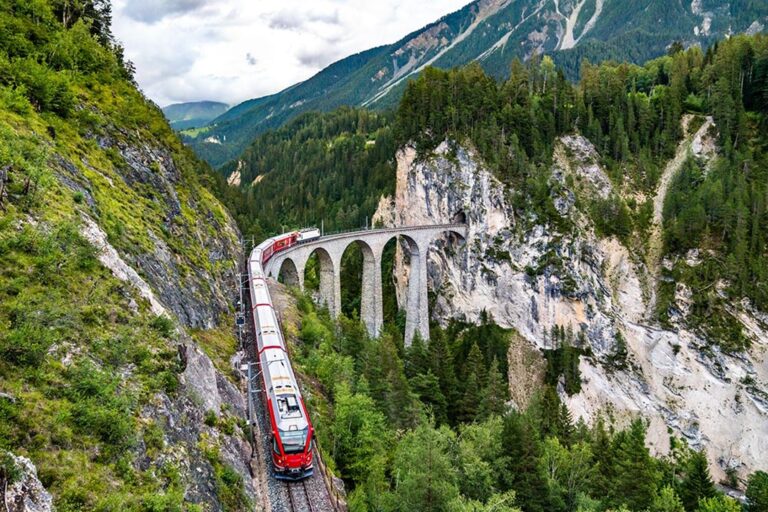
Planning your first trip to Europe is exciting – until you open a map and realize just how many places you want to see.
Paris. Rome. Switzerland. Venice. Barcelona. Amsterdam.
Suddenly, ten days does not feel like much time at all.
The biggest mistake first-time travelers make is trying to squeeze five or six countries into one short vacation. You end up seeing more train stations than cities and spending half your trip packing, unpacking, and checking into hotels.
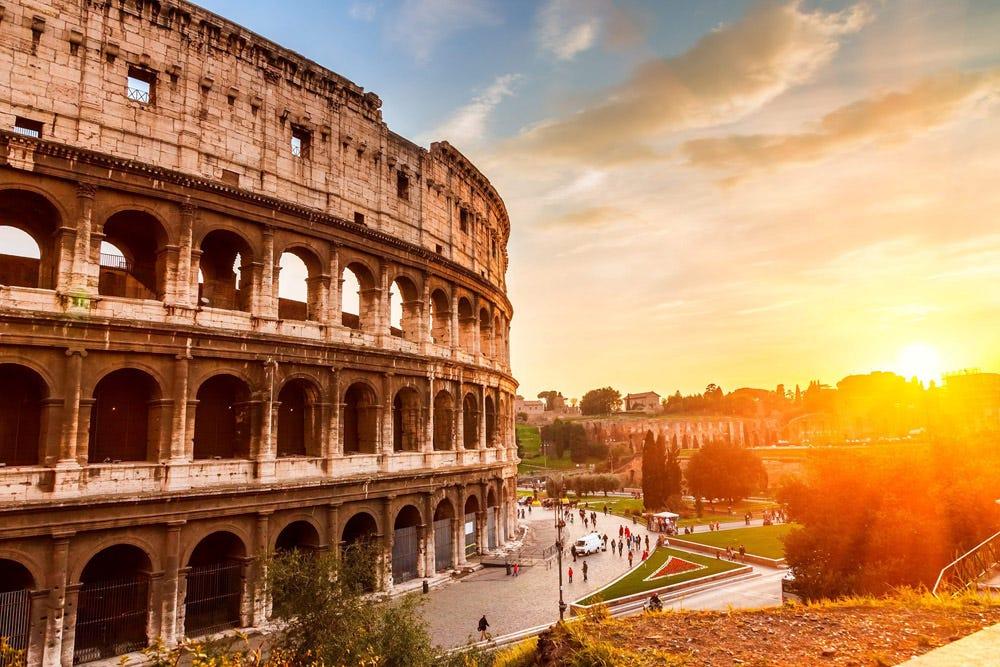
This 10 day Europe itinerary for first time visitors takes a different approach. We are going to concentrate on three unforgettable destinations: Paris, the Swiss Alps, and Rome.
You get a romantic European capital, spectacular mountain scenery, and one of the world’s greatest historic cities – all without turning your vacation into a race. If you are traveling from the United States for your first European adventure, this itinerary is an especially good starting point.
Your 10 Days in Europe at a Glance
Your adventure begins with three nights in Paris, giving you enough time to experience the Eiffel Tower, the Seine, the Louvre, and Montmartre without trying to squeeze everything into a single day.
From Paris, you will travel into Switzerland for three nights, where busy city streets are replaced by Alpine villages, waterfalls, mountain trains, and some of Europe’s most spectacular scenery.
You will then continue south to Rome for three nights, finishing your first European adventure among ancient ruins, Italian piazzas, incredible food, and landmarks such as the Colosseum and Vatican City.
The route is simple: Paris -> Swiss Alps -> Rome. Three destinations, three completely different experiences, and enough time to actually enjoy them.
Why This 10 Day Europe Itinerary Works for First-Time Visitors
Europe looks relatively small on a map, which can be misleading. Paris to Rome may not look particularly far compared with crossing the United States, but changing hotels, getting to train stations, navigating unfamiliar cities, and checking in again all take time.
That is why three major bases in ten days works so well for a first visit. Paris gives you cafes, museums, architecture, neighborhoods, and iconic landmarks. Switzerland slows everything down with lakes, valleys, mountain trains, waterfalls, and Alpine scenery. Rome finishes the trip with Italian food, ancient ruins, piazzas, churches, and thousands of years of history.
You will not see all of Europe. And that is exactly the point. You will actually have time to enjoy the places you do visit.
Day 1: Arrive in Paris and Take It Easy
After an overnight flight from the United States, do not plan an ambitious first day. Jet lag is real, and your arrival time may shift if your flight is delayed.
Once you have checked into your hotel, showered, and had something to eat, head outside and simply experience Paris. Walk along the Seine, find a cafe, and order your first croissant. If you still have energy in the evening, make your way toward the Eiffel Tower and see it illuminated after dark.
Avoid booking an expensive, non-refundable attraction immediately after your scheduled arrival. Your first day should be flexible.
Where to Stay in Paris
For a first visit, being reasonably central is worth paying a little extra. Consider the Latin Quarter, Saint-Germain-des-Pres, Le Marais, or another neighborhood with convenient Metro connections to central Paris.
You do not necessarily need a hotel beside the Eiffel Tower. A hotel close to a Metro station can often be much more useful.
Day 2: Eiffel Tower, Seine and Classic Paris
Start your morning around the Eiffel Tower before the busiest part of the day. If going to the top is important to you, reserve your ticket ahead of time rather than assuming you will find a convenient slot when you arrive.
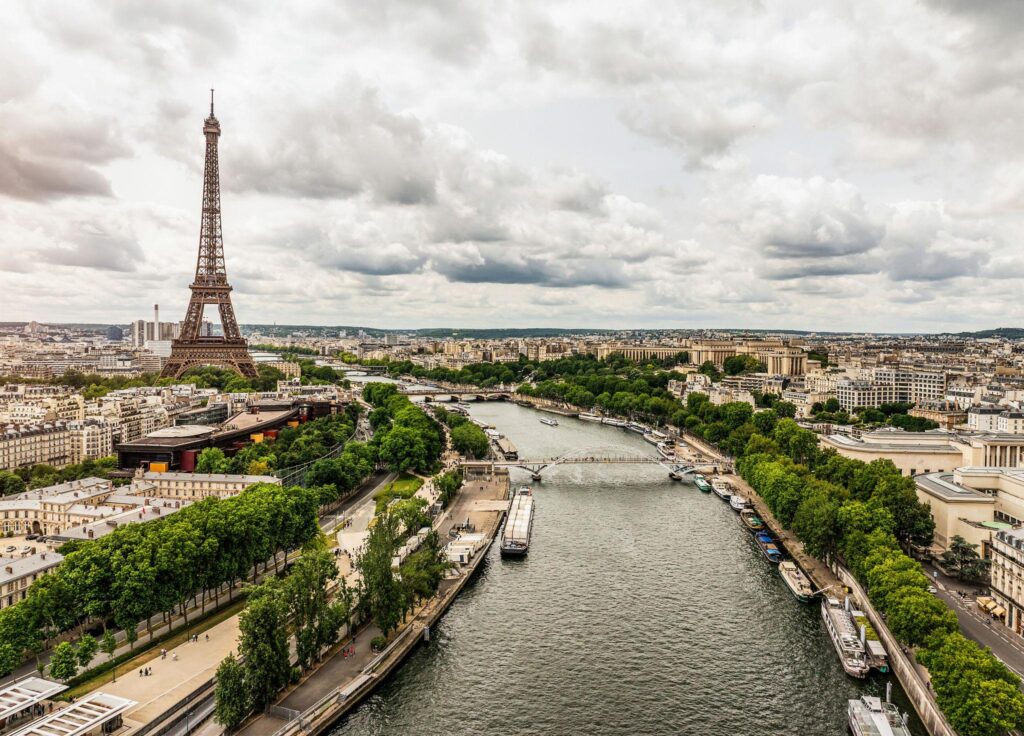
Afterward, walk toward the Seine and explore central Paris at a comfortable pace. Continue toward Trocadero for one of the classic Eiffel Tower views, then make your way toward the Arc de Triomphe and part of the Champs-Elysees.
Do not treat these sights as a checklist you absolutely have to complete. Some of the best travel days are the ones where lunch unexpectedly lasts two hours or an interesting side street changes your afternoon plan.
Evening on the Seine
A Seine River cruise is particularly enjoyable around sunset. It gives tired legs a break while letting you see many of Paris’s famous landmarks from another perspective.
Day 3: Louvre, Ile de la Cite and Montmartre
Start early at the Louvre Museum if it is one of your priorities. Do not try to see the entire museum. It is enormous. Pick several sections or works you genuinely want to see and give yourself permission to leave afterward.
Then explore the historic center around the Seine and Ile de la Cite. Later in the afternoon, take the Metro north toward Montmartre, wander its smaller streets, and finish around Sacre-Coeur for a classic view across Paris.
Day 4: Paris to Switzerland
Today is your first major travel day. Take a morning train from Paris toward Switzerland. For this itinerary, I recommend basing yourself around Interlaken or Lauterbrunnen.
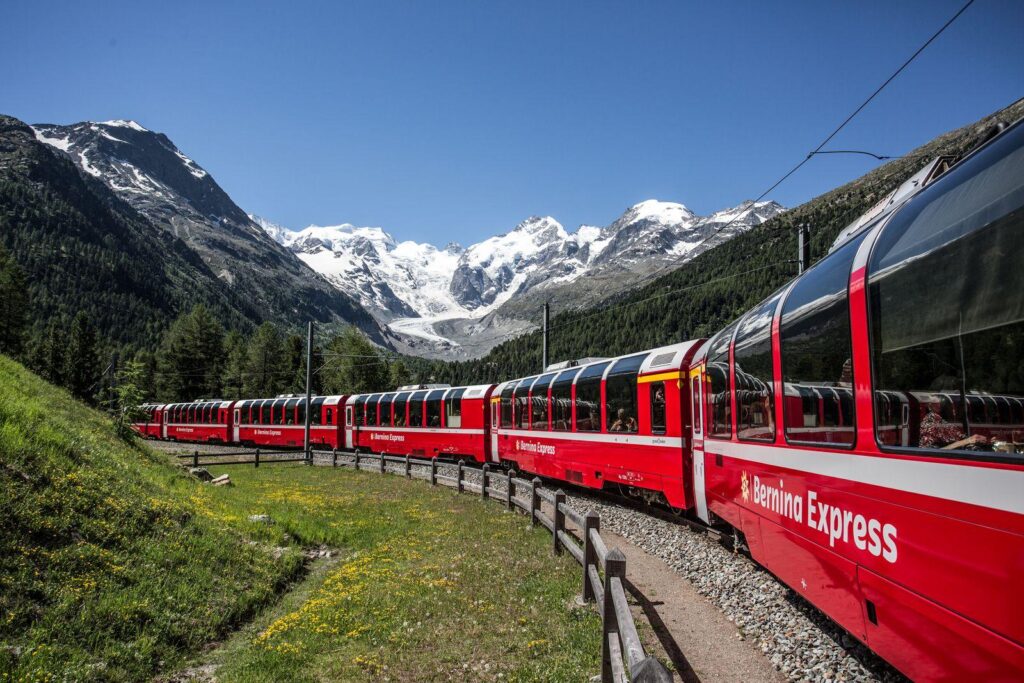
Interlaken generally offers more accommodation, restaurants, and transportation connections. Lauterbrunnen gives you something different: waking up surrounded by dramatic cliffs, waterfalls, and Alpine scenery.
If this is your first trip and you value convenience, Interlaken is probably the easier base. Once you arrive, do not rush into another full sightseeing program. Check in, explore the area, have dinner, and enjoy the scenery.
Day 5: Lauterbrunnen and the Swiss Alps
This might become your favorite day of the entire trip. Take the short journey into the Lauterbrunnen Valley. The landscape here almost does not look real: enormous rock walls, green meadows, traditional houses, waterfalls, and snow-covered mountains in the distance.
Spend your day walking through the valley and exploring nearby villages. Depending on the weather and your interests, you could also visit Wengen or Murren. Mountain weather changes quickly, so having some flexibility makes a huge difference.
Photography Tip
If you enjoy photography, get out early. The villages are quieter, the light can be beautiful, and you will have much more freedom to compose photographs without crowds constantly moving through your frame.
Day 6: Explore the Jungfrau Region
Keep Day 6 flexible until you have checked the weather forecast. On a clear day, consider one of the major mountain excursions in the Jungfrau region.
On a cloudy day, spending a large amount of money to reach a viewpoint hidden inside clouds is not particularly rewarding. Another excellent option is Grindelwald, where you can explore the village, enjoy an easy trail, or simply take in the scenery.
Day 7: Switzerland to Rome
It is time for Italy. This will be the longest transfer in our 10 day Europe itinerary, so start reasonably early.
Rail connections generally take you through Switzerland toward northern Italy before continuing to Rome. Flying can look faster if you compare only flight duration, but remember to include airport transfers, security, boarding, baggage collection, and the trip into the city.
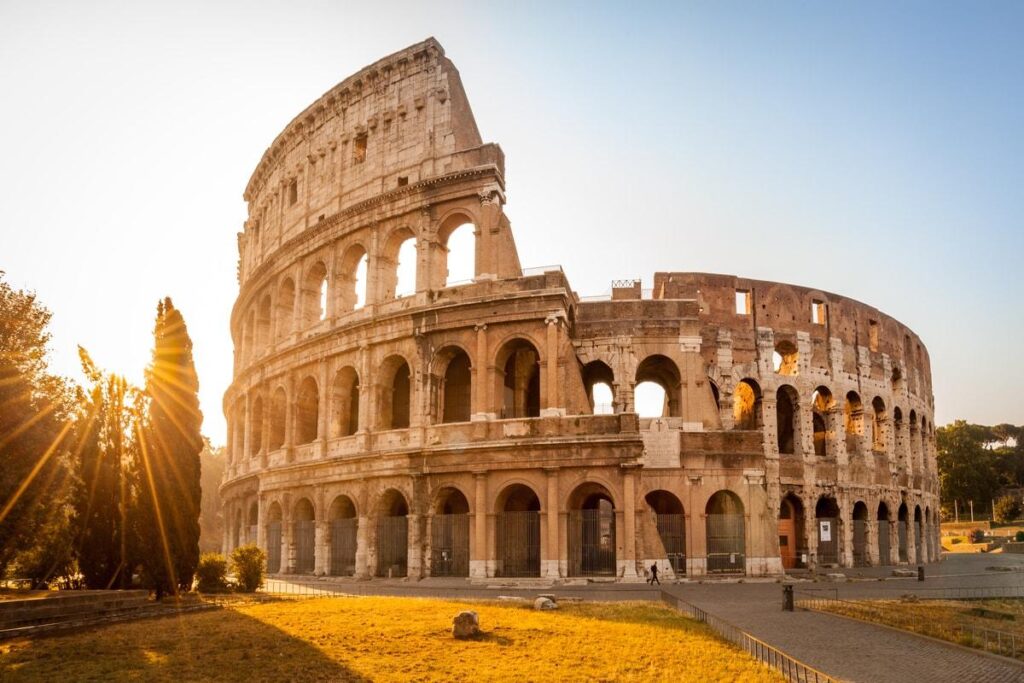
Once in Rome, check into your hotel and keep your first evening simple. Walk to a nearby piazza, order pasta, get some gelato, and enjoy the fact that you are in Italy.
Day 8: Discover Ancient Rome
Start early because today is one of the biggest sightseeing days of your trip. Your first destination is the Colosseum. Continue into the Roman Forum and Palatine Hill, and give the archaeological area several hours rather than treating it as a rushed photo stop.
After Ancient Rome, slow down. Walk through the surrounding neighborhoods and enjoy a long Italian lunch. Later, head toward the Trevi Fountain and the Spanish Steps if you still have energy.
Rome is exceptionally rewarding on foot because historical buildings, fountains, churches, and tiny streets appear almost everywhere. Good shoes matter here more than fashionable shoes.
Day 9: Vatican City and Historic Rome
Begin Day 9 around Vatican City. If you want to visit the Vatican Museums and Sistine Chapel, book ahead and consider an early entry time.
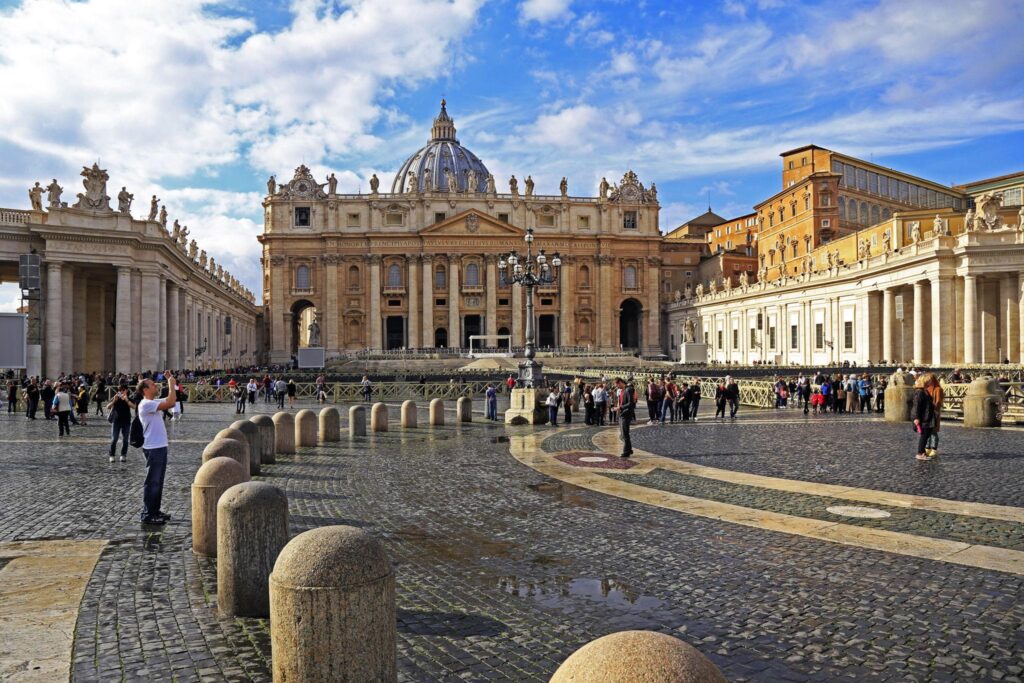
Then visit St. Peter’s Basilica and spend some time around St. Peter’s Square. During the afternoon, return to Rome’s historic center and continue through Piazza Navona toward the Pantheon.
Rome feels completely different after sunset. For your final proper dinner, find somewhere inviting, sit down, put your phone away for a while, and enjoy being there.
Day 10: Your Last Morning in Rome
Your final day depends on your flight. If you are flying back to the United States in the morning, head directly to the airport. If you have an afternoon or evening departure, use those last few hours for something uncomplicated.
Have breakfast slowly, buy a few souvenirs, visit a neighborhood you missed, and drink one last espresso. Most importantly, do not schedule an attraction across town shortly before an international flight. Europe will still be here for your next trip.
How Much Does a 10-Day Europe Trip Cost?
There is no single correct budget because airfare, hotels, season, and travel style dramatically change the final amount. Price international flights, accommodation, and major intercity transportation first. Then build your daily food, local transit, and attraction budget around those costs.
Should You Travel Europe by Train or Plane?
For this route, trains make sense for most of the journey. European rail travel is part of the experience: you travel from city center to city center and watch the landscape change outside your window. Do not assume a rail pass automatically saves money; compare it with point-to-point tickets for your exact route.
What Americans Need Before Traveling to Europe
Entry requirements can change, so American travelers should verify the latest passport and border rules before departure. Europe has introduced the Entry/Exit System (EES), while ETIAS is expected to apply to visa-exempt travelers once it becomes operational. Check official European Union information shortly before your trip.
What to Pack for 10 Days in Europe
Pack less than you think you need. A large suitcase becomes frustrating on cobblestones, station stairs, and busy trains. Bring comfortable walking shoes, a compact wardrobe, appropriate charging equipment, medications, important documents, and clothing suited to the season.
Best Time for Your First 10-Day Europe Trip
For many first-time visitors, late spring and early fall offer an attractive balance. Summer brings long daylight hours but also bigger crowds and higher prices. For this Paris-Switzerland-Rome route, May, June, September, and early October are especially worth considering.
Common First-Time Europe Mistakes to Avoid
The biggest mistake is trying to see too much. Do not turn your vacation into an airport and train-station challenge. Leave room for weather, delays, long lunches, and places you discover unexpectedly. Also avoid overpacking and scheduling every hour.
Is 10 Days Enough for a First Trip to Europe?
Absolutely – if you choose your destinations carefully. Ten days is not enough to see Europe, but it is enough to experience several genuinely different places and return home knowing where you want to go next.
Helpful Travel Resources
- Best places to visit in Portugal
- Best time to visit France
- Things to do in Venice, Italy
- Official EU travel information
FAQ About a 10 Day Europe Itinerary for First Time Visitors
What is the best 10 day Europe itinerary for first time visitors?
Paris, the Swiss Alps, and Rome make an excellent first-time route because they combine famous landmarks, mountain scenery, history, food, and culture while keeping hotel changes manageable.
How many countries should I visit in Europe in 10 days?
For most first-time travelers, two or three countries is enough. Trying to visit five or six countries usually means spending too much of your vacation in transit.
Is $5,000 enough for 10 days in Europe?
It can be, but the answer depends on whether the budget is for one person or two, whether international airfare is included, your travel dates, and your preferred hotel standard.
Should I buy a Eurail pass for a 10-day Europe trip?
Not automatically. Compare the total cost and flexibility of a rail pass with point-to-point tickets for your exact itinerary before purchasing.
Is 10 days too short for Paris, Switzerland and Rome?
No. Ten days can work very well if you limit hotel changes and accept that you will not see everything in each destination.
Final Thoughts
Your first European trip does not need to include everything. A great 10 day Europe itinerary for first time visitors gives you enough structure to avoid wasting time but enough freedom to actually experience where you have traveled. Start in Paris, slow down in Switzerland, and finish in Rome. Ten days will not show you all of Europe, but it is more than enough time to fall in love with traveling there.