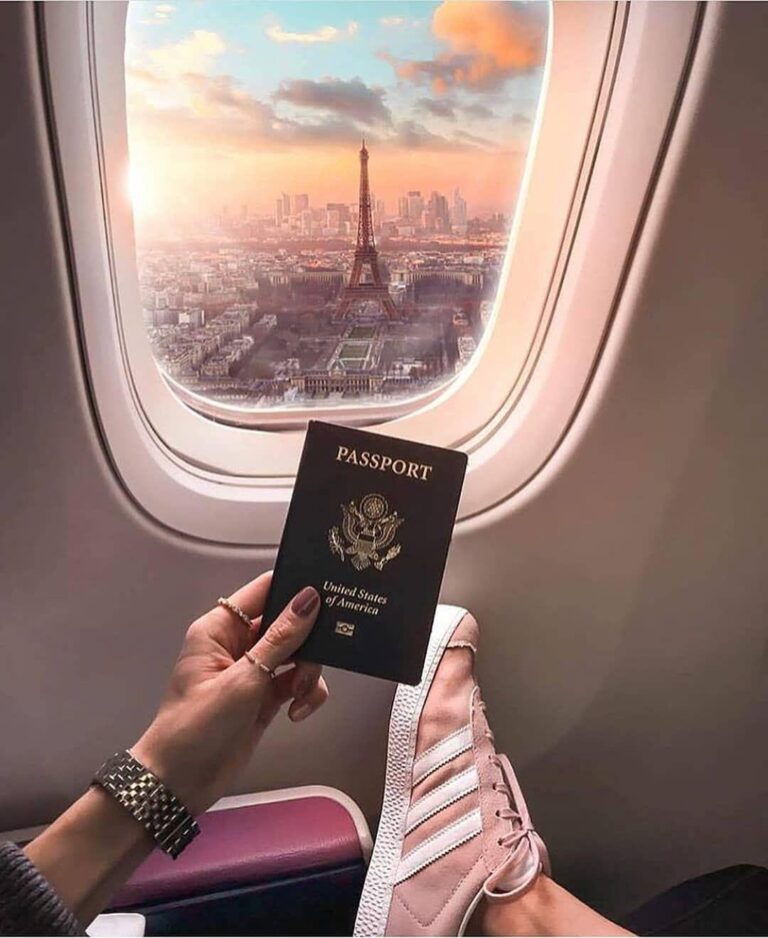
Packing for Europe sounds simple until you are staring at an open suitcase wondering whether you need three pairs of shoes, a voltage converter, cash, a rain jacket, and a completely different wardrobe for every country.
You do not.
The best Europe packing list for Americans is not the longest list. It is the one that keeps you comfortable, mobile, and prepared without making you drag a heavy suitcase through train stations and across cobblestone streets.
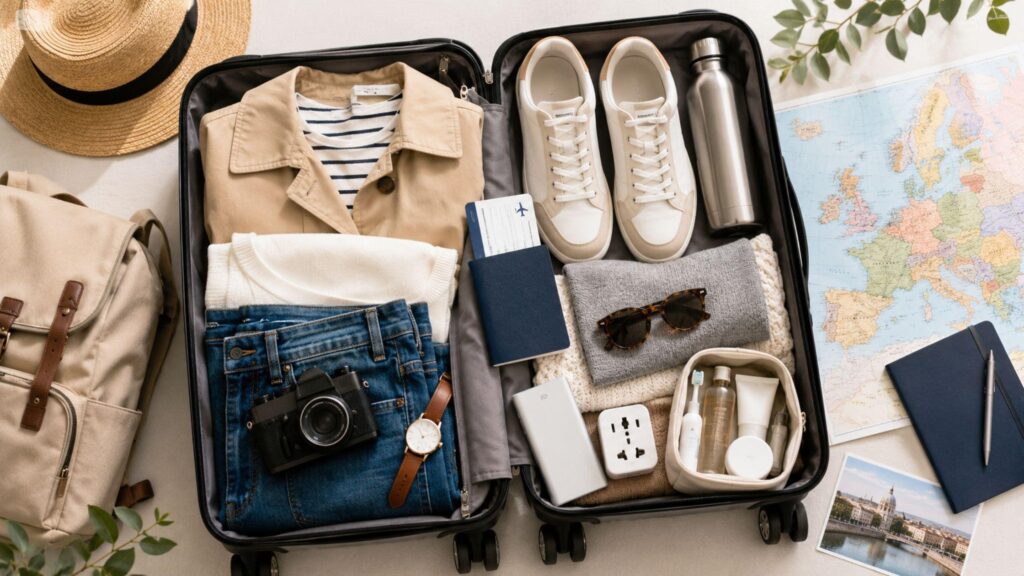
This guide is designed for American travelers taking a typical one- to two-week trip to Europe. It covers documents, money, electronics, clothes, toiletries, medications, train travel, and the small items that are easy to forget until you actually need them.
Start With the Right Luggage
Before deciding what goes inside your suitcase, decide how much luggage you really want to move across Europe.
For most trips of 7 to 14 days, a carry-on suitcase plus a small personal item is enough if you pack deliberately. A medium checked suitcase can also work, especially in winter, but bigger is not always better.
European train stations can involve stairs, narrow platforms, and quick boarding. Historic city centers often have cobblestones. Small hotels may have tiny elevators or no elevator at all. Every extra pound feels heavier after the third hotel change.
Travel Documents Americans Should Pack
Keep your passport in a secure but accessible place. Before departure, check the expiration and validity rules for every country on your itinerary. Do not assume that a passport valid on the day of travel automatically satisfies every destination’s entry rules.
Save digital copies of your passport, travel insurance, important reservations, and emergency contacts. Keep the copies somewhere you can access even if your phone is lost.
If you are renting a car, check the driver’s license and International Driving Permit requirements for the countries where you plan to drive. Rules are not identical across Europe.
Money: Cards, Cash and ATMs
You do not need to arrive with a wallet full of euros. Cards are widely accepted in much of Europe, but carrying a modest amount of local cash is still useful for small purchases, public toilets, markets, tips where appropriate, and occasional card problems.
Bring at least two payment cards if possible and store them separately. A backup card is far more valuable than extra cash if your primary card is blocked or lost.
When a payment terminal asks whether you want to pay in U.S. dollars or the local currency, paying in the local currency is often the better choice because your card issuer generally handles the conversion. Always check your own card’s foreign transaction fees before traveling.
Power Adapters and Charging Gear
American plugs do not fit most European outlets. A compact plug adapter is one of the easiest things to forget and one of the first things you will need after landing.
Most modern phone, laptop, camera, and USB chargers accept a wide voltage range, but always read the input label on your charger. A plug adapter changes the shape of the plug; it does not automatically convert voltage.
A small multi-port USB charger is useful when a hotel room has only one convenient outlet. If you are traveling with a camera, bring an extra battery and charger.
Phone, eSIM and Offline Maps
Before leaving the United States, decide how you will use your phone in Europe. Your options usually include an international plan from your carrier, a local SIM, or an eSIM if your phone supports it.
Download offline maps for the cities and regions you will visit. Save hotel addresses and important train stations in advance. This turns a dead signal from a crisis into a small inconvenience.
Also download your airline and rail apps before departure and keep screenshots of critical tickets or reservation codes.
Clothes: Build Outfits, Not a New Wardrobe
The easiest way to overpack is to choose clothes one day at a time. Instead, build a small group of tops and bottoms that work together.
For a mild-weather trip, think in layers: a few comfortable tops, one or two warmer layers, a light waterproof jacket, several versatile bottoms, underwear, socks, and something slightly nicer for dinner if you want it.
Neutral colors are convenient because almost everything works together, but pack clothes you actually wear at home.
Shoes: Comfort Wins
Europe can involve far more walking than a normal week at home. Ten to fifteen thousand steps in a day is completely ordinary on a city trip.
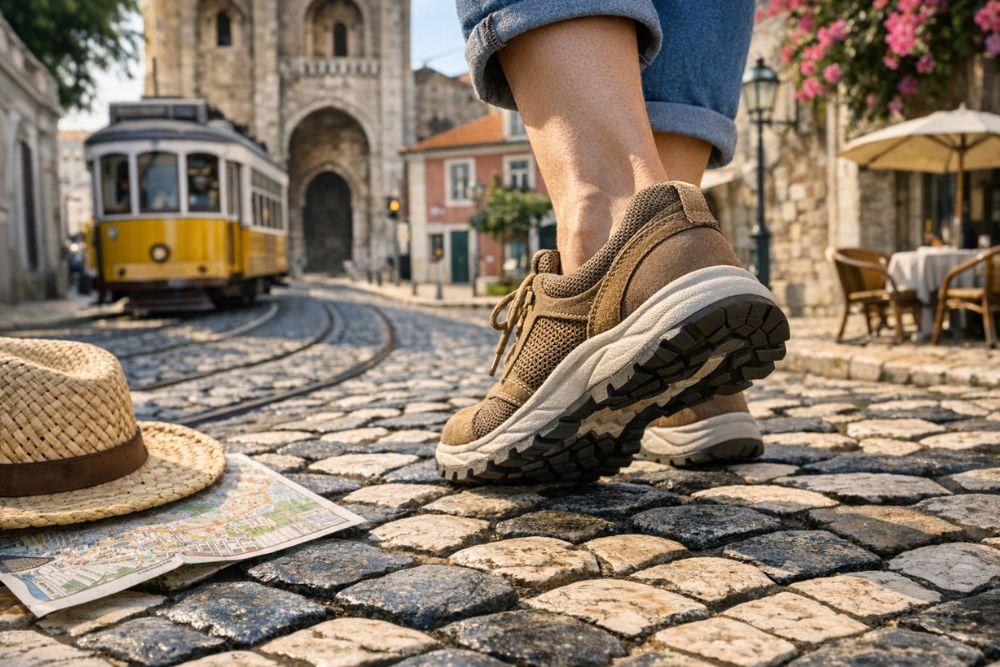
Bring one pair of comfortable walking shoes you’ve worn enough to know they will not cause blisters. If you want a second pair, make it something that serves a different purpose.
Do not break in new shoes on your first morning in Paris or Rome.
What to Pack for Rain and Changing Weather
European weather can change quickly, especially in the mountains and along the Atlantic coast. A lightweight waterproof shell earns its place in your bag because it works over other layers and takes very little room.
A compact umbrella can be useful in cities, but in windy destinations a rain jacket is often easier. If your itinerary includes Switzerland, Scotland, Norway, or mountain regions, do not rely only on a sunny ten-day forecast.
Toiletries and Medications
Pack the toiletries you actually use, not the ones you imagine you might use on vacation. Most everyday items can be purchased in Europe if you run out.
Bring enough prescription medication for the trip, plus a reasonable buffer in case of delays. Keep essential medication in your carry-on instead of checked luggage.
A tiny first-aid pouch can include bandages, blister treatment, pain relief you normally use, and any personal essentials you know you rely on.
Packing for European Trains
Train travel changes what counts as convenient luggage. You may need to lift your bag onto a rack, carry it down stairs, or move quickly when a platform is announced.
Keep your passport, phone, wallet, tickets, headphones, and a small bottle of water in your personal item so you do not need to open your suitcase during every journey.
A simple luggage tag with your contact information is also worth adding, especially if your bag looks like thousands of other black suitcases.
What to Leave at Home
Leave the giant bottle of shampoo, the third pair of similar shoes, the just-in-case formal outfit, and anything you are only packing because you are nervous.
You also rarely need large quantities of cash, a separate outfit for every day, or a suitcase full of snacks from the United States. European supermarkets and pharmacies are part of the travel experience too.
If you are debating an item for ten minutes, that is often a sign you probably do not need it.
A Simple Europe Packing Checklist
- Passport and required travel documents
- Travel insurance information
- Two payment cards stored separately
- A small amount of local cash
- Phone and charger
- European plug adapter
- Power bank
- Headphones or earbuds
- Comfortable walking shoes
- Lightweight rain layer
- Mix-and-match clothing
- Underwear and socks
- Sleepwear
- Sunglasses
- Prescription medications
- Small toiletry kit
- Reusable water bottle
- Compact day bag or personal item
- Camera gear if you actually use it
- Digital copies of important documents
Helpful Travel Resources
FAQ: Europe Packing List for Americans
What should Americans not forget when traveling to Europe?
The most important items are your passport, payment cards, phone, charging equipment, the correct plug adapter, prescription medications, comfortable walking shoes, and copies of important travel information.
Do Americans need a voltage converter in Europe?
Not always. Many modern electronics accept both U.S. and European voltage ranges, but you must check the input label on each device or charger. A plug adapter alone does not convert voltage.
How many shoes should I pack for Europe?
For most trips, one excellent pair of walking shoes plus one optional second pair is enough. Comfort is more important than having a different pair for every outfit.
Should I bring cash to Europe from the USA?
It is useful to have some cash, but you generally do not need to carry a large amount. Cards are widely accepted in many destinations, and ATMs are available in cities and towns.
Can I travel Europe with only a carry-on?
Yes. Many travelers comfortably manage one or two weeks with a carry-on and personal item by packing layers, repeating outfits, and doing laundry when needed.
Final Packing Advice
The goal is not to prepare for every possible situation. It is to be prepared for the situations that are actually likely to happen. Pack light enough that you can move your own luggage without stress, and prioritize documents, medication, electronics, and comfortable clothes. A good Europe packing list for Americans should make your trip easier, not make your suitcase heavier.