Norway is the rare destination where “when should I go?” has genuinely opposite correct answers. The country stretches more than 1,100 miles north to south — Oslo sits at roughly the latitude of Anchorage, and Tromsø is 200 miles inside the Arctic Circle. That geography produces two completely different countries depending on the calendar.
So the best time to visit Norway isn’t one month. It’s a function of what you came for. This guide breaks down the best month to visit Norway for fjords, for the northern lights, for hiking, and for not spending a fortune.
Quick answer
The best time to visit Norway is June through August for fjords, hiking and the midnight sun, or late September through March for the northern lights. June and September are the sweet spots — June for maximum daylight with pre-peak crowds, September for autumn color, open mountain roads, and the first aurora of the season. December through February is coldest, darkest, and best for Arctic winter experiences.
What are you actually going for?
Answer this first; everything else follows.
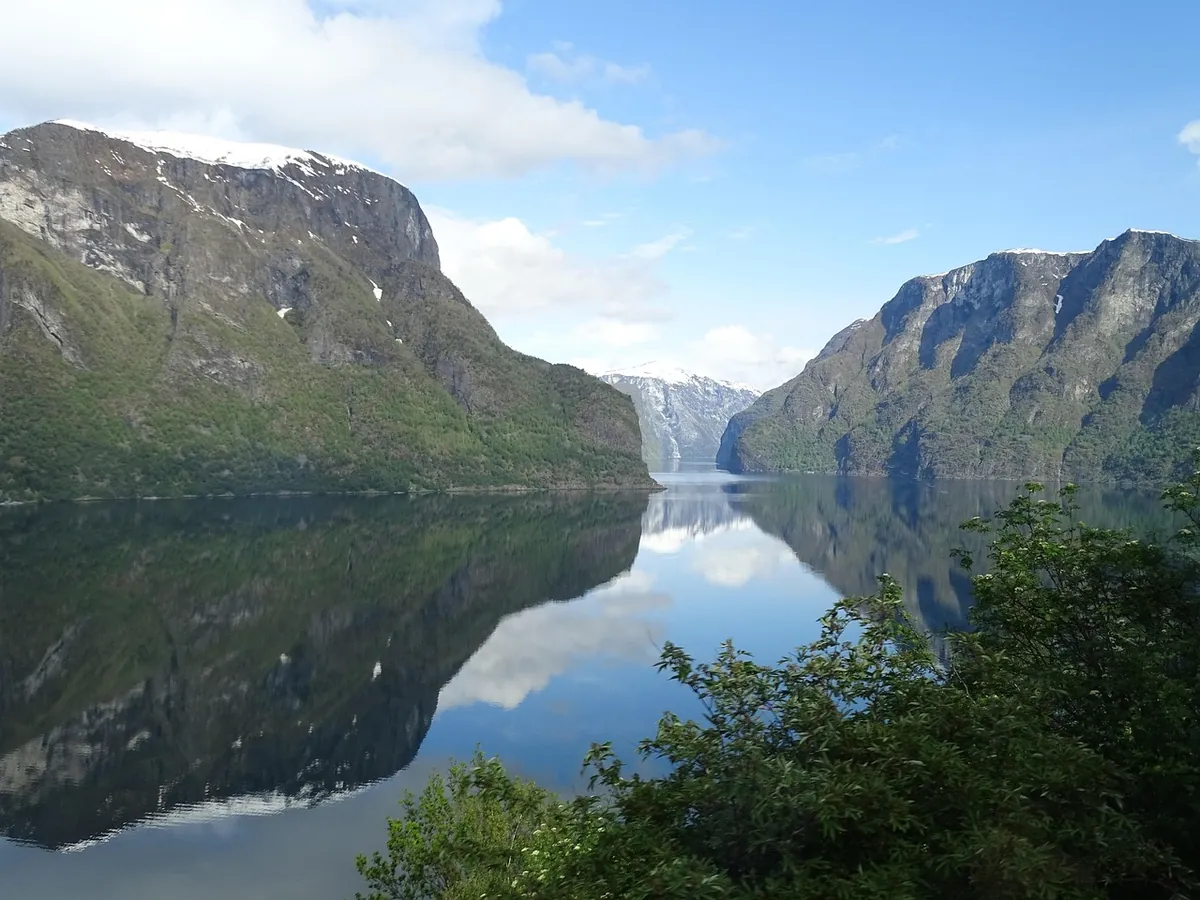
- Fjord cruising and scenic rail — May through September, peaking in June.
- Hiking Preikestolen, Trolltunga, or Besseggen — late June to mid-September, peaking in July.
- Midnight sun — late May to late July, peaking in June.
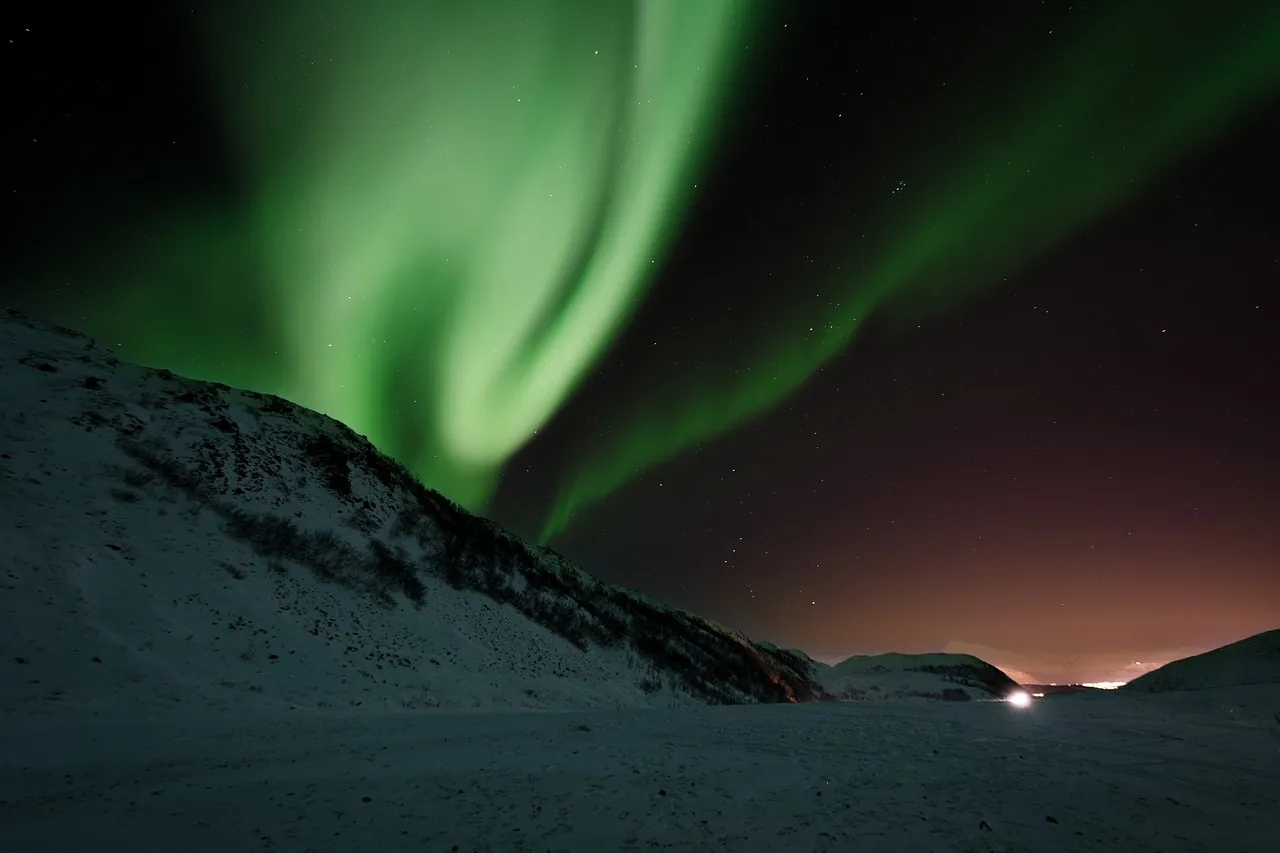
- Northern lights — late September to late March, peaking in February.
- Skiing and dog sledding — January through April, peaking in March.
- Lowest prices — November, and January through February.
- Fewest crowds with things still open — May and September.
Norway month by month
January — deep Arctic winter
Tromsø gets no direct sunlight at all until roughly 15 January (the polar night), but the “blue hour” light around midday is genuinely beautiful. Best aurora odds combined with rock-bottom hotel prices in the south. Cold: typically 20–30°F in the north, milder on the coast than you’d expect thanks to the Gulf Stream. Many mountain roads and hiking trails are closed.
February — the aurora sweet spot
Statistically strong for northern lights, with meaningfully more daylight than January for daytime activities like dog sledding and whale watching. Still cold, still cheap in the south. Arctic hotels in Tromsø and Alta, however, are at peak rates.
March — the best winter compromise
My pick for a winter trip. You get equal daylight and darkness — enough sun for skiing, husky tours, and actually seeing the landscape, plus long enough nights for aurora. Snow cover is at its deepest. Sámi Week in Tromsø falls in early February–March depending on the year.
April — the awkward shoulder
Snow is melting, aurora season is ending, and summer hasn’t started. Mountain passes are still closed. Cheap, but you’re likely to catch the country between seasons. The exception: late-season skiing is excellent.
May — quietly excellent
One of Norway’s most underrated months. Waterfalls run at maximum volume from snowmelt, fruit trees blossom in the Hardanger region, days are already long, and the crowds haven’t arrived. 17 May is Constitution Day — Norway’s national holiday and a genuinely joyful spectacle of parades and traditional bunad dress. Some high mountain roads remain closed until late May or June.
June — the best all-round month
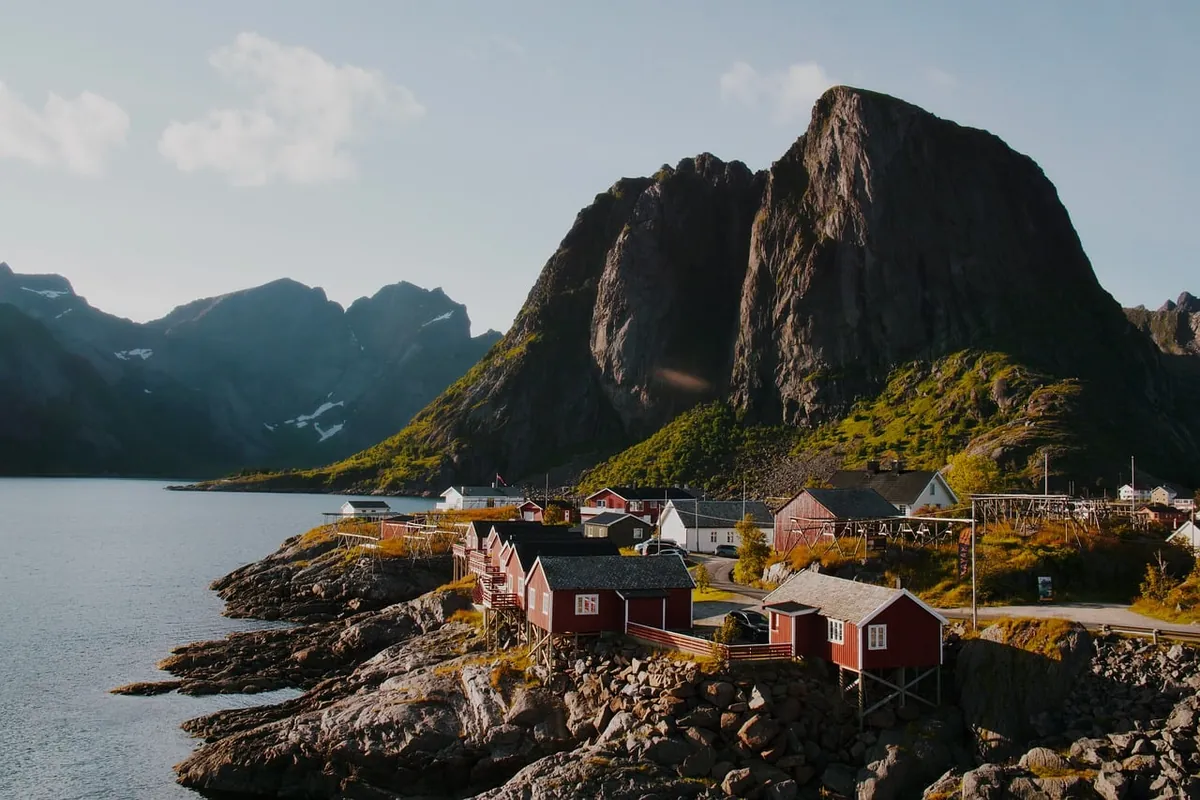
Maximum daylight, with the midnight sun above the Arctic Circle from roughly late May to mid-July and near-white nights as far south as Oslo. Mountain roads reopen, ferries run full schedules, and temperatures are pleasant (60s°F). Crowds build through the month but haven’t peaked. If you can only go once, go in June.
July — peak everything
Warmest month, best hiking conditions, and every attraction fully open. It’s also the busiest and priciest, and it’s when Norwegians take their own holidays. Trolltunga and Preikestolen see genuine queues. Book accommodation and rental cars months ahead.
August — summer with a discount
Similar conditions to July with slightly less daylight and, from mid-month, noticeably thinner crowds once European schools resume. Berry season. Water is at its warmest for swimming, which in Norway means “brisk.” A very good choice.
September — the quiet favorite
Autumn color across the fjords and mountains, hiking trails still open in the first half of the month, and the aurora returns from around the equinox. Fewer tourists, softer prices. Weather is more volatile — bring proper waterproofs. Excellent for photography.
October — transitional
Aurora season is properly underway, but daylight is shrinking fast and many summer routes, mountain lodges, and ferry services have wound down. Rainy on the west coast. Good value if you’re focused on the north.
November — the month to skip
Dark, wet, and often without reliable snow cover yet. The least rewarding month for most visitors. Cheapest flights, if that’s decisive.
December — Christmas and polar night
Oslo and Bergen do a lovely Christmas market season, and the north enters full polar night with excellent aurora potential. Very short days. Prices spike over the holidays themselves.
Norway weather and daylight at a glance
The north–south spread is the thing to internalize. In January, Oslo reaches about 30°F with six and a half hours of light, while Tromsø sits near 27°F in full polar night. By March, Oslo is around 39°F with twelve hours of daylight and Tromsø has caught up to roughly 11.5 hours.
The reversal happens fast. In May, Oslo gets 17.5 hours of light at around 61°F; Tromsø gets 22 hours at 45°F. Through June and July, Tromsø is in continuous midnight sun while Oslo peaks near 72°F with eighteen hours of daylight — the warmest, brightest stretch of the year.
From September the two converge again at about thirteen hours each, Oslo near 59°F and Tromsø near 48°F. By November, Oslo is down to 7.5 hours and Tromsø to three, and December returns Tromsø to polar night with Oslo at six hours and freezing.
These are approximate averages. Check current forecasts at Yr.no, run by the Norwegian Meteorological Institute and NRK — it is far more accurate for Norway than international forecast apps.
Chasing the northern lights: what actually matters
Three things have to line up, and only one is under your control.
Darkness. You need genuine astronomical darkness, which rules out roughly late April to late August above the Arctic Circle. The practical season is late September through late March.
Clear skies. This is the real constraint. Coastal Tromsø gets a lot of cloud; inland Finnmark (Alta, Karasjok) and Swedish/Finnish Lapland are statistically clearer. Good operators drive for hours to find a hole in the clouds — book a chase tour rather than standing outside your hotel.
Solar activity. Monitor the NOAA Space Weather Prediction Center Kp index. We are near a solar maximum period, which has produced unusually strong displays.
Give yourself at least three nights in the Arctic. One night is a coin flip; three gets you to roughly 80% odds in a clear-sky region.
Getting around
Norway’s public transport is superb and the journeys are attractions in themselves. The Bergen Railway between Oslo and Bergen and the Flåm Railway descent are among the world’s great train rides. Book through Vy or the national journey planner Entur. Coastal ferries along the fjords are operated as public transport, not just tourist cruises, and are far cheaper booked that way.
Renting a car makes sense for Lofoten, the Hardanger and Sogn fjord regions, and the Atlantic Road. Check mountain pass status with the Norwegian Public Roads Administration before driving in spring or autumn — several high routes close from October to May.
Costs and the new tourist tax
Norway is expensive — budget roughly what you’d spend in Zurich or Reykjavík rather than Berlin. Alcohol in particular is heavily taxed. Ways to soften it: self-cater from Kiwi or Rema 1000, use `allemannsretten` (the right to roam) for free wild camping outside cultivated land, book trains 90 days out for `minipris` fares, and travel in May or September.
New for 2026: Norway passed a law permitting municipalities in tourism-stressed areas to levy up to a 3% tax on overnight stays, plus a cruise passenger fee. Municipalities must apply and demonstrate strain, so it isn’t universal yet — Tromsø, Lofoten, and Svalbard are the likeliest first adopters. Tents and caravans are exempt. Check your booking’s final total.
Entry requirements for US travelers
Norway is in the Schengen Area, and Americans can currently visit for up to 90 days in any 180-day period with a passport only — no visa or pre-authorization. Two things to know:
- The EU’s Entry/Exit System (EES) is now operating at Schengen borders. Expect to have your fingerprints and photo taken on arrival. It replaces passport stamping and adds a few minutes at the border.
- ETIAS, the €20 pre-travel authorization, is not yet live. The EU removed its late-2026 target in July 2026 and a 2027 launch is now the likely scenario. Any site currently selling ETIAS applications is a scam. Confirm current status at the official EU travel page.
Your passport should be valid for at least three months beyond your intended departure.
Frequently asked questions
What is the best month to visit Norway?
June, for the widest range of open attractions, the midnight sun, and long hiking days without July’s peak crowds. For northern lights specifically, February or March.
Can you see the northern lights and the midnight sun on the same trip?
No. They’re opposite phenomena caused by the same tilt. The midnight sun runs roughly late May to late July above the Arctic Circle; aurora season requires darkness from late September to late March.
Is Norway worth visiting in winter?
Yes, if you want a specific winter experience — aurora, dog sledding, skiing, whale watching off Tromsø. Not if you want fjord scenery and hiking, since roads close and daylight is minimal.
How many days do you need in Norway?
Seven days covers Oslo, the Bergen Railway, and one fjord region. Ten to fourteen lets you add Lofoten or an Arctic leg. Norway rewards going deep on one region over racing between three.
What is the cheapest time to visit Norway?
Late January through early March in the south, and November nationwide. Avoid mid-June through mid-August and the Christmas/New Year window.
Planning a wider northern Europe trip
- Norway pairs naturally with Scotland for a northern-latitude trip — see the best places to visit in Scotland for a comparison of aurora odds and Highland scenery.
- If you’re routing through the continent by rail, our guide to the best time to visit Germany covers the seasonal calendar for the Rhine and Bavaria.
- Traveling in Norway’s dark months and want a warm counterpoint, read about the best time to visit Spain — southern Spain stays comfortable all winter.
- Flying home via Paris? Check the best time to visit Paris, France before you book the stopover.