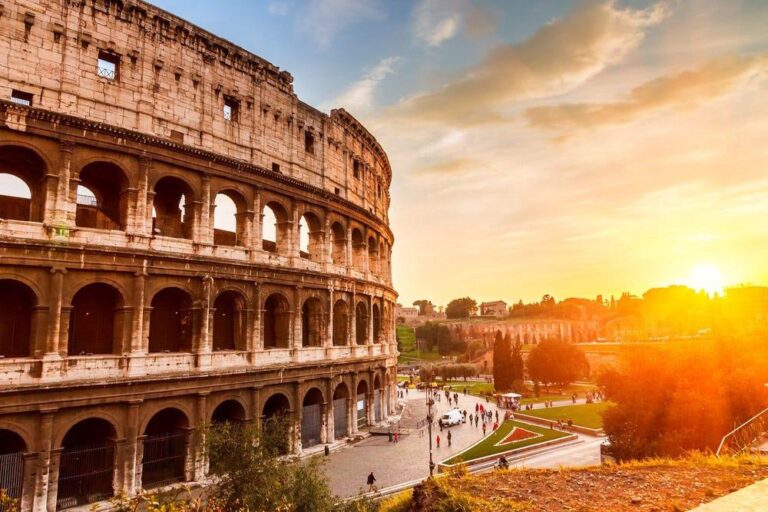
Italy is a land of rich history and vibrant culture. Its cities are a testament to centuries of art, architecture, and innovation.
A map of Italy with cities is an essential tool for any traveler. It reveals the diverse landscapes and unique attractions each city offers.
From the ancient ruins of Rome to the fashion streets of Milan, Italy’s cities are full of wonders. Each city has its own story, waiting to be discovered.
Understanding the layout of Italy’s cities can enhance your travel experience. It helps in planning itineraries and exploring hidden gems.
Join us as we explore Italy’s cities through a detailed map, uncovering the best of what Italy has to offer.
Understanding the Map of Italy with Cities
Italy is divided into 20 distinct regions, each offering unique attractions. Understanding the map with cities helps illustrate these regional differences.
A comprehensive map showcases major cities like Rome, Florence, Venice, and more. Each of these cities brings its own cultural and historical significance.
The map not only highlights big cities but also helps identify lesser-known destinations. These hidden treasures can offer equally enriching experiences.
When you look at the map of Italy with cities, it serves many purposes. From planning travel routes to discovering places off the beaten path, the map is indispensable.
Here are some key elements to look for on the map:
- Major cities and capitals
- Regional boundaries and unique terrains
- Routes for trains and major roads
- Tourism hot spots and sites
- Coastal lines and mountain ranges
A visual representation, like a map, brings Italy’s geographic diversity to life. Seeing it laid out is an educational experience in itself.

By familiarizing yourself with the city’s map, you can effectively plan your Italian journey. It helps maximize your time and find activities that suit your interests.
Major Cities of Italy: Highlights and Attractions
Italy’s cities are vibrant and steeped in history. Rome, the capital, captivates with ancient marvels like the Colosseum and Vatican City. Its rich tapestry of history and architecture attracts millions each year.
Milan stands as a global fashion powerhouse. Beyond fashion, it’s known for the majestic Duomo di Milano. Art lovers enjoy masterpieces at the city’s prominent museums.
In Florence, the Renaissance comes alive with awe-inspiring art and architecture. The Uffizi Gallery holds world-famous works. The Florence Cathedral is another must-see with its iconic dome.
Venice offers a unique setting with its canals and gondolas. Known as the ‘Floating City,’ Venice is an architectural marvel in itself. Landmarks like Piazza San Marco add to its allure.
Naples beckons with its spirited vibe and culinary offerings, like authentic pizza. It’s near Pompeii and Mount Vesuvius, promising historical and natural wonders.
Turin impresses with its elegant squares and historic cafes. Known for its role in the automotive industry, it also boasts refined architecture.
Alongside these, here are more cities and their highlights:
- Bologna: Renowned for its cuisine, especially pasta dishes
- Turin: The Egyptian Museum is a must-visit
- Genoa: Offers stunning coastlines and maritime history
- Pisa: Famous for the Leaning Tower and picturesque riverfront
Each Italian city offers a blend of modern life and historical depth. They provide diverse cultural experiences for every traveler.

Exploring these cities enhances your Italian adventure, offering a tapestry of experiences, from arts to culinary delights.
Southern Italy: Exploring the Charms of the South
Southern Italy, often called South Italy, enchants with its laid-back charm and stunning scenery. Its regions, like Campania, Calabria, and Sicily, offer warmth and cultural richness.
The Amalfi Coast, part of Campania, is a world-renowned destination. The coast features breathtaking cliffs and picturesque towns like Positano. Visitors enjoy the delightful mix of natural beauty and Mediterranean culture.
In Sicily, the largest Mediterranean island, history blends with dramatic landscapes. Ancient Greek temples and Mount Etna, an active volcano, are must-see attractions. The island’s rich past and culinary offerings provide unique travel experiences.
Calabria entices with its pristine beaches and rugged coastlines. Charming villages dot this less-traveled region, inviting exploration. The food here is a treat, with flavors distinct to the area.
South Italy hosts a variety of cultural and historical gems:
- Matera: Known for its ancient cave dwellings
- Lecce: Famous for its Baroque architecture
- Pompeii: Offers ruins from an ancient Roman city
Southern Italy’s warm atmosphere and natural beauty make it a destination for every traveler. Whether for beaches or history, the southern regions promise unforgettable moments.

Embracing the southern spirit, one discovers a unique blend of hospitality and tradition. The area’s diverse offerings cater to a variety of interests and tastes.
Best Time to Visit Italy: Seasons and Travel Tips
Italy captivates year-round, but timing your visit can enhance your experience. Different seasons offer diverse activities and atmospheres.
Spring, from April to June, is often the best time to visit Italy. The weather is mild, and vibrant blossoms adorn the landscape. Tourist crowds are smaller, making it ideal for exploration without the rush.
The fall months, September and October, offer another delightful window. The harvest season brings food festivals and wine events. Cooler temperatures make city tours and countryside adventures more enjoyable.
Summer can be very hot, especially in southern regions. Popular tourist spots buzz with visitors. Plan to explore the less-frequented areas for a more relaxed experience.
Winter brings a quieter charm, ideal for visiting cities and skiing in the Alps. It’s the perfect time to enjoy cozy Italian cafes and museums.
Here are a few travel tips for making the most of your Italian trip:
- Book accommodations early during peak seasons
- Dress in layers for weather changes
- Learn basic Italian phrases for a richer experience
Being aware of these seasonal quirks helps in planning a delightful Italian adventure. Each season unfolds unique experiences, catering to different interests and preferences.
Planning Your Trip: Using the Map for Itineraries
A map of Italy with cities is essential for planning your travel itinerary. It provides a clear visual of regions, helping to decide routes and destinations. Italy’s regional diversity means each city offers unique experiences.
Start by identifying major cities you wish to visit. Rome, Florence, and Venice are staples for any itinerary. Explore their historical landmarks and vibrant local culture at your own pace.
Your itinerary should also include lesser-known gems. Cities like Bologna and Turin offer rich culinary delights and heritage. They provide a quieter but equally enriching Italian experience.
Suggested Itinerary Planning Tips:
- Prioritize cities based on personal interests
- Factor in travel time between locations
- Use the map to plan day trips

For transportation, Italy’s train network connects most cities efficiently. Align your travel plans with the map to optimize time and experiences. Visualizing the layout of Italy can help create a balanced itinerary that combines famous landmarks with off-the-beaten-path adventures.
Italian Phrases Every Traveler Should Know
Learning a few Italian phrases can enhance your travel experience significantly. It helps in connecting with locals and navigating the cities with ease. These phrases are not only useful but also show respect for the culture.
Some basic phrases are essential for everyday interactions. “Ciao” is a versatile greeting meaning both hello and goodbye. “Grazie” and “Prego” are crucial for expressing thanks and saying you’re welcome, respectively.
Consider these phrases as part of your travel toolkit. Speaking the local language, even minimally, can make your interactions smoother and more enjoyable. Here are some essential phrases to carry:
- “Buongiorno” – Good morning
- “Per favore” – Please
- “Scusi” – Excuse me
Hidden Gems and Lesser-Known Cities
Italy is not only about its famous landmarks and bustling cities. Beyond these, there are numerous hidden gems and lesser-known cities waiting to be discovered. These places offer unique experiences and a glimpse into the authentic Italian lifestyle.
Cities like Bologna, known for its rich culinary tradition, provide a different taste of Italy. Meanwhile, towns like Matera offer fascinating historical sites, such as ancient cave dwellings. Exploring these areas can enrich your journey significantly.
Venturing into lesser-known cities allows travelers to experience Italy’s diverse cultural landscape in a more intimate setting. Avoiding tourist crowds gives you the freedom to explore at your own pace.
Here are some hidden gems to explore:
- Matera: Known for its ancient cave dwellings
- Bologna: Famous for its cuisine and porticos
- Lecce: Offers baroque architecture and vibrant culture

These cities promise charming experiences that are often overlooked, making them worthy of any travel itinerary.
Navigating Italy: Transportation and Regional Differences
Traveling through Italy is a breeze thanks to its efficient transportation system. Trains are the most popular way to move between cities. They are punctual, comfortable, and connect major urban centers effectively.
However, traveling to rural areas or smaller towns may require a car or bus. Renting a car offers flexibility to explore remote regions, where public transport might be less frequent. Each region has its unique features, which add richness to the travel experience.
For instance, northern Italy is known for its cooler climate and alpine scenery, while southern Italy boasts warm beaches and coastlines. Here are some regional differences to consider:
- North: Known for its mountains and cold climate
- Central: Famous for art and medieval history
- South: Offers sunny beaches and historical ruins
Understanding these differences can greatly enhance your Italian journey, tailoring your trip to suit different interests and preferences.
Conclusion: Making the Most of Your Italian Adventure
Italy’s vibrant cities and diverse landscapes invite endless exploration. With a detailed map, you can plan routes to major and hidden destinations. From the Alpine north to the beaches of the south, each region offers unique experiences.
Prepare with useful Italian phrases and knowledge of regional specialties to enrich your travel. Embrace the opportunity to discover Italy’s rich history, culture, and cuisine. By using the map wisely, you’ll navigate Italy with ease, ensuring a memorable adventure filled with discovery and delight.