
Renting a car in Europe is worth it for rural regions, small villages, and multi-stop road trips, but it is often a headache in big cities where trains are faster. Americans can usually rent with a valid U.S. license, though some countries expect an International Driving Permit, and the final bill depends heavily on insurance, transmission type, and extras. Here is how to decide, what to expect, and how to avoid the surprises.
At a glance
- Best for: countryside, coastlines, mountain passes, and villages with poor rail links.
- Skip it for: Paris, London, Rome, Amsterdam, and other city-focused trips.
- Documents: U.S. license, passport, credit card in the driver’s name, and an IDP where required.
- Best time to drive: May to June and September to early October for good weather and fewer crowds. Mountain passes may close in winter.
- Getting around: combine trains between cities with a rental for the rural leg.
- Where to stay: choose lodging with included or nearby parking, and avoid historic city centers.
- Budget: the rental itself is only part of the cost. Fuel, tolls, parking, and insurance can add a lot.
Should You Be Renting a Car in Europe? When It Makes Sense (and When Trains Win)
Europe’s rail network is excellent, so a car is not automatically the better choice. The question is whether your route is city-to-city or countryside-focused.
If you are hopping between major capitals, read our Europe by train guide for beginners before you book wheels. Trains drop you in the center, and you skip parking, tolls, and restricted traffic zones.
| Trip style | Better choice | Why |
|---|---|---|
| Big cities only (Paris, Rome, Berlin) | Train and public transit | Parking is costly and driving is stressful |
| Tuscany, Provence, Algarve | Rental car | Villages and wineries are hard to reach by public transport |
| Scottish Highlands, Irish coast | Rental car | Flexibility matters, but you will drive on the left |
| Mix of cities and countryside | Both | Train between hubs, then rent for a few days locally |
A hybrid plan is often the smartest. Collect the car when you leave the last city, and return it before you reach the next one.
Driver’s License and International Driving Permit Rules by Country
Most rental companies accept a valid U.S. license, but local law can differ from company policy. An international driving permit for Europe is a translation of your license, not a replacement for it. In the U.S., it is issued through AAA and the American Automobile Touring Alliance.
Requirements vary and change, so confirm them before you fly. The U.S. Department of State’s international travel pages and each country’s official tourism or transport site are good starting points.
- Italy, Austria, Hungary, Greece, and parts of Eastern Europe: an IDP is commonly required or strongly advised for non-EU drivers.
- Spain and Portugal: often recommended, and sometimes requested at the counter or by police.
- Germany, France, Ireland, and the UK: a U.S. license is generally accepted for short visits, but an IDP is cheap peace of mind.
An IDP costs little compared with a fine or a refused rental. Bring your regular license too, since the permit is not valid alone. If you plan a longer stay across several countries, also review the Schengen 90/180 rule.
How Much Does Car Rental in Europe Cost? Real Price Breakdown
I will not quote a single daily rate, because prices swing with season, country, pickup location, and how far ahead you book. The base rate is only the starting point. Summer, holidays, airport pickups, and automatic cars usually raise the total.
Build your budget from these parts:
- Base rental rate: cheaper for longer rentals and early bookings.
- Insurance and waivers: can add a large share to the base price.
- Fuel: usually pricier than in the U.S. and sold by the liter.
- Tolls and vignettes: vary a lot by route.
- Parking: often the hidden cost in cities and tourist towns.
- Extras: extra drivers, child seats, GPS, and airport surcharges.
Compare the total price, not the headline price. For a broader trip budget, our 10-day Europe trip cost guide shows where a car fits.
Automatic vs Manual: Booking Tips for American Drivers
Manual transmissions are still the default in much of Europe, so they are usually cheaper and easier to find. Automatic cars exist, but there are fewer of them, and they sell out first in peak season. If you have never driven stick, a hilly Italian village is a poor place to learn.
The choice between automatic and manual rental cars in Europe comes down to a few practical points:
- Book an automatic as early as you can and confirm it is guaranteed, not just “or similar.”
- Choose a compact car for narrow roads and tight parking.
- Check luggage space. Many European economy cars are smaller than they look online.
- Look for the “A” or “Automatic” label in the vehicle details before paying.

Rental Car Insurance Explained: CDW, Credit Card Cover and Excess
Rental car insurance in Europe confuses many Americans because the terms differ from U.S. policies. Basic third-party liability is normally included by law, but damage to the rental car is a separate matter.
The main terms
- CDW or LDW (Collision/Loss Damage Waiver): limits what you pay if the car is damaged, but usually with an excess.
- Theft protection: often bundled with CDW and also subject to an excess.
- Excess (deductible): the amount you still owe, which can be substantial.
- Super CDW or zero-excess cover: sold to reduce that amount, sometimes to zero.
Using credit card coverage
Some U.S. credit cards offer rental coverage, but exclusions are common. Certain countries, vehicle types, and rental lengths may not be covered, and some cards only act as secondary coverage. Call your card issuer, ask for a written letter of coverage, and read the terms line by line.
If you decline the rental company’s waiver, expect a larger hold on your card. A third-party excess policy can be a cheaper alternative, but you may pay the rental company first and claim it back. Document the car with photos and video at pickup and drop-off.
Hidden Fees to Watch: One-Way Drops, Cross-Border, Young Driver and Fuel
Most surprises come from fees that appear late in the booking or at the counter. Read the rental terms before you pay.
| Fee | What to know |
|---|---|
| One-way rental | One-way car rental in Europe often carries a drop fee, and it can be steep across borders. |
| Cross-border | Cross-border car rental fees in Europe may apply, and some countries or car classes are restricted. |
| Young driver | Drivers under 25 commonly pay a daily surcharge. |
| Additional driver | Usually charged per day, so decide who really needs to drive. |
| Airport pickup | Convenient but often costs more than a city branch. |
| Fuel policy | “Full to full” is usually the fairest option. Prepaid fuel can cost more. |
Always tell the rental company if you plan to cross a border, especially into non-EU or Eastern European countries. Skipping this can void your insurance. Also check whether the car runs on diesel or petrol before you fill up, because the wrong fuel is an expensive mistake.
Tolls, Vignettes, Low-Emission Zones and Parking Rules
Europe toll roads and vignettes work differently from country to country, so research your route in advance. France, Italy, Spain, and Portugal use toll roads, and Portugal has electronic tolls that may need a rental transponder or pre-registration. Ask the rental company how tolls are billed.
Several countries use a vignette, a prepaid sticker or digital pass for motorways. Switzerland, Austria, the Czech Republic, Slovakia, Hungary, and Slovenia are examples, but rules and formats change. Check each country’s official road authority before you cross.
Restricted zones and parking
- Italy’s ZTL zones: restricted historic-center areas monitored by cameras, where unauthorized entry can bring a fine mailed months later.
- Low-emission zones: found in many cities in France, Germany, Spain, and elsewhere, and some require a sticker or registration.
- Parking colors and meters: rules differ by city, so read the signs and pay at the machine.
Park outside city centers when you can, and use park-and-ride lots. Ask your hotel about parking when you book. A good eSIM for Europe keeps navigation and parking apps working without roaming charges.
European Driving Rules and Road Signs Americans Should Know
Most of Europe drives on the right, but the UK and Ireland drive on the left. If you are heading to the Highlands, our guide to the best places to visit in Scotland will help you plan a route that suits a first left-side drive.
- Speeds are in km/h. Limits vary by country and road type, and speed cameras are common.
- Roundabouts: yield to traffic already in the circle, and signal when exiting.
- Priority to the right: at some unmarked junctions, traffic from the right has priority.
- Drink-driving limits: often lower than in many U.S. states, so the safest rule is none.
- Phone use: handheld use is illegal in most places.
- Required equipment: some countries require items such as a warning triangle or hi-vis vest. Check that the car has them.
Learn the main road signs before you go. Circular signs generally give orders, triangular ones warn, and a red-ringed number is a speed limit. Rules vary by country, so check the official source for each one on your route, such as the EU’s Your Europe portal.
Best Road Trip Regions for First-Time Drivers in Europe
For a first European road trip, choose a region with manageable distances, scenic roads, and plenty of places to stop. These are some of the easiest.
- Tuscany and Umbria, Italy: gentle hills, small towns, and a rewarding slow pace. Watch for ZTL signs.
- Provence, France: lavender fields, markets, and well-marked roads. Our best time to visit France guide helps you pick a season.
- Portugal’s Alentejo and Algarve: quieter roads and coastal views. See the best places to visit in Portugal for ideas.
- Bavaria, Germany: castles, lakes, and well-kept roads.
- Ireland and Scotland: spectacular scenery, but narrow roads and left-side driving make them better once you have some confidence.
Keep driving days short, around a few hours at a time, so you have room to stop and explore. Spring and early autumn are usually the sweet spot for weather and crowds. Pack a phone mount, a charger, and a few coins for parking and toilets.
Final Thoughts
Renting a car in Europe can turn a good trip into a great one if you match it to the right regions and read the fine print. Check license rules, confirm your insurance, book an automatic early if you need one, and compare the full price instead of the headline rate.
Ready to plan? Sketch your route, check each country’s official driving requirements, and compare a few rental quotes side by side before you book. Your future self, parked at a vineyard in the sun, will thank you.
Frequently Asked Questions
Do Americans need an International Driving Permit in Europe?
Requirements vary by country. Italy, Austria, Greece, and several others officially require an IDP alongside your US license, while France and Germany generally accept the US license alone. An IDP costs about $20 from AAA, so getting one is cheap insurance against fines or rental counter trouble.
Is it cheaper to rent a manual or automatic car in Europe?
Manual cars are usually 20–40% cheaper than automatics in Europe, and they’re far more plentiful. Automatics cost more and sell out in peak season, so book early if you can’t drive stick. Expect to pay roughly $15–$30 more per day depending on country and car class.
Does my US credit card cover rental car insurance in Europe?
Many premium cards offer collision damage waiver abroad, but Ireland, Italy, and a few other countries are often excluded. Check your card’s benefit guide, get a letter of coverage, and confirm it applies to your car class. Otherwise, you’ll likely need the rental company’s CDW at the counter.
Can I drive a rental car across borders in Europe?
Usually yes, but tell the rental company when booking. Cross-border fees typically run €25–€100, and some companies restrict travel to Eastern Europe or certain luxury models. You’ll also need to buy vignettes or pay tolls in countries like Switzerland, Austria, and Slovenia.
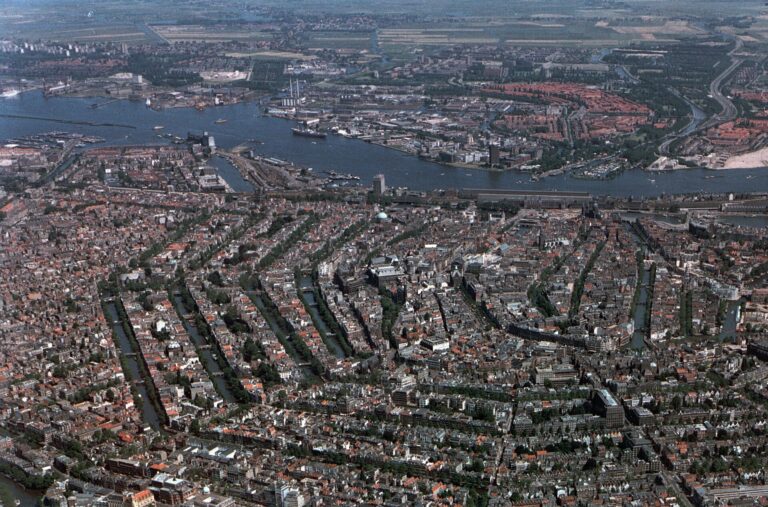
Featured image: Photo: Michal Osmenda from Brussels, Belgium, Wikimedia Commons (CC BY-SA 2.0)


1 thought on “Renting a Car in Europe: Costs, Rules & Tips for Americans”
Comments are closed.