Spain is not one destination. Green, rainy, Celtic-influenced Galicia has almost nothing in common with sun-bleached Andalusia 600 miles south, and Barcelona feels like a different country from Madrid because, to many Catalans, it is one.
That regional split matters for planning. The best cities to visit in Spain are scattered across climates that peak at different times, so the best time to visit Spain genuinely depends on where in Spain you’re going. This guide covers the cities, the best places to visit in Spain beyond them, and how to time it.
Quick answer
The best time to visit Spain is April to early June, or September to October. You get warm weather without southern Spain’s brutal summer heat, lower prices, and manageable crowds. July and August are punishing inland — Seville and Córdoba regularly exceed 100°F — but are the right months for the northern coast. Winter is mild and excellent in Andalusia and the Canary Islands.
For cities, the essential shortlist is Barcelona, Madrid, Seville, Granada, Valencia, and San Sebastián.
Best time to visit Spain, by region
Spain has three broad climate zones, and treating them as one is the most common planning mistake.
Andalusia and the south — Seville, Granada, Córdoba, Málaga. Go March through May or October into November. Avoid July and August, when inland temperatures routinely pass 100°F.
The central plateau — Madrid, Toledo, Salamanca, Segovia. April to June and September to October are ideal. Midsummer is hot and January is genuinely cold.
The Mediterranean coast — Barcelona, Valencia, Alicante. May, June, September, and October are the sweet spots. August brings crowds and humidity together.
Green Spain and the north coast — San Sebastián, Bilbao, Santiago de Compostela. This is the one region that peaks in high summer, June through September. November to March is persistently wet.
The Canary Islands — Las Palmas, Santa Cruz. Effectively year-round, at their best November through April. There isn’t a bad month.
The key insight: the north peaks exactly when the south is unbearable. A July trip to Spain should mean the Basque coast and Asturias, not Seville.
Spain month by month
January — Seville around 61°F, Barcelona around 57°F. Mild in the south, cold in Madrid, and the lowest prices of the year.
February — Seville 64°F, Barcelona 59°F. Quiet, with Carnival in Cádiz and Tenerife.
March — Seville 70°F, Barcelona 62°F. Lovely weather and Las Fallas in Valencia. Crowds beginning to build.
April — Seville 74°F, Barcelona 65°F. Excellent, but it carries Semana Santa and the Feria de Abril, which means high crowds and prices in Andalusia.
May — Seville 81°F, Barcelona 70°F. The best month overall: warm, green, and uncrowded.
June — Seville 90°F, Barcelona 77°F. Getting hot in the south, close to perfect on the coasts.
July — Seville 97°F, Barcelona 82°F. Peak season and peak heat. Head north.
August — Seville 97°F, Barcelona 83°F. Spaniards are on holiday and some city businesses close outright.
September — Seville 90°F, Barcelona 79°F. Excellent — the sea is still warm and crowds are thinning.
October — Seville 79°F, Barcelona 73°F. Excellent, with ideal Andalusian weather.
November — Seville 70°F, Barcelona 64°F. Quiet and mild in the south, wet in the north.
December — Seville 63°F, Barcelona 58°F. Christmas markets and a mild southern climate.
Forecasts from AEMET, Spain’s state meteorological agency, are the authoritative source.
Timing around the big festivals
Semana Santa (Holy Week, the week before Easter) is extraordinary in Seville and Málaga — and it books out the entire region at triple prices. Feria de Abril follows about two weeks later in Seville. Las Fallas turns Valencia into controlled pyrotechnic chaos in mid-March. San Fermín (the Pamplona bull run) is in early July. All are worth seeing; none are good for a relaxed sightseeing trip.
The 12 best cities to visit in Spain
1. Barcelona
Gaudí’s Sagrada Família and Park Güell, the medieval Gothic Quarter, a genuine city beach, and one of the world’s great food markets at La Boqueria. Barcelona is also the most crowded city in Spain and the least happy about it — book major sights online weeks ahead, and consider staying in Gràcia or Poblenou rather than the Gothic Quarter. Best in May, June, September, or October.
2. Madrid
Spain’s capital is underrated by first-timers who default to Barcelona. It has the better museums by a wide margin — the Prado, Reina Sofía, and Thyssen-Bornemisza within a ten-minute walk of each other — plus the best food scene in the country and a nightlife culture that genuinely starts at midnight. Also the transport hub: high-speed rail reaches most of Spain from here in under three hours.

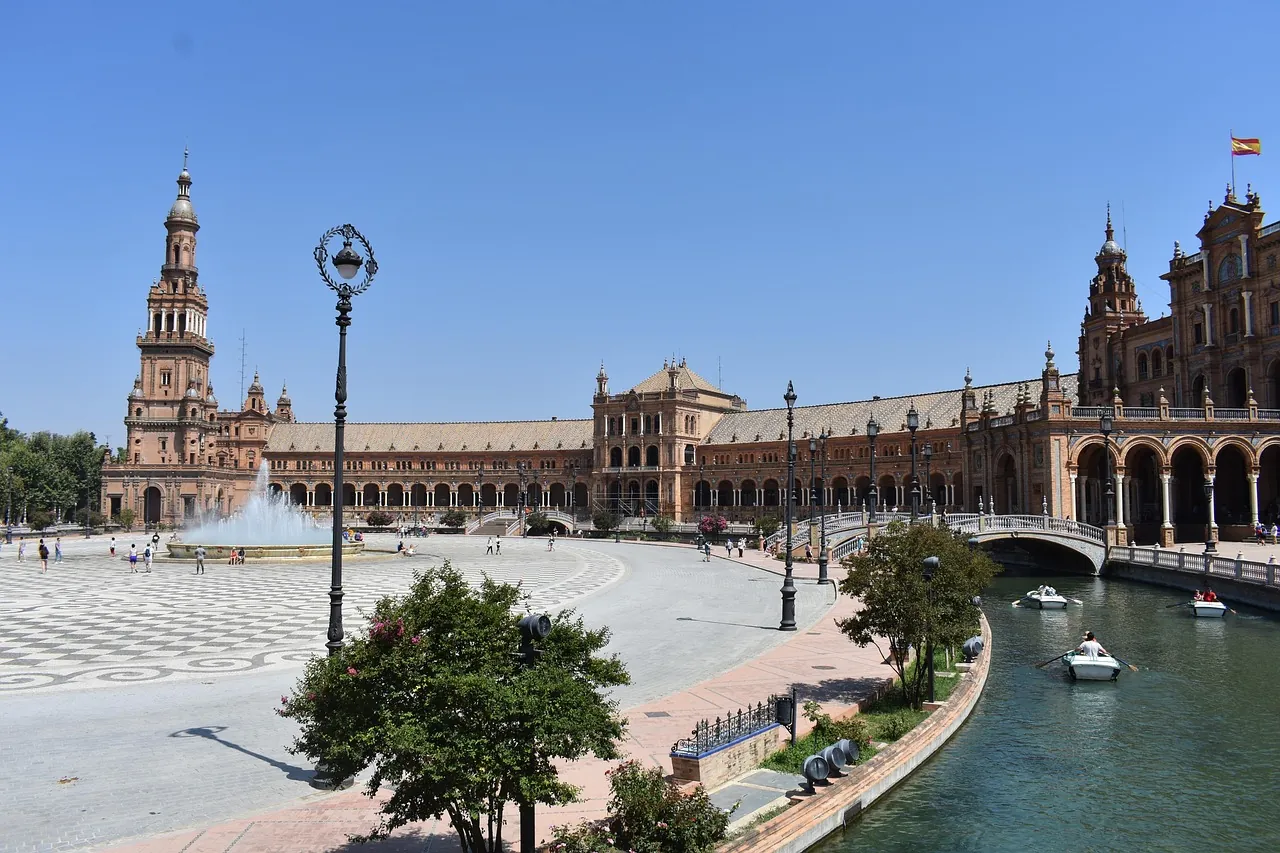
3. Seville
The most atmospheric city in Spain. The Alcázar’s Mudéjar palaces, the largest Gothic cathedral in the world, the Triana flamenco quarter, and orange-tree-lined streets that smell extraordinary in spring. Avoid July and August unless you love extreme heat.
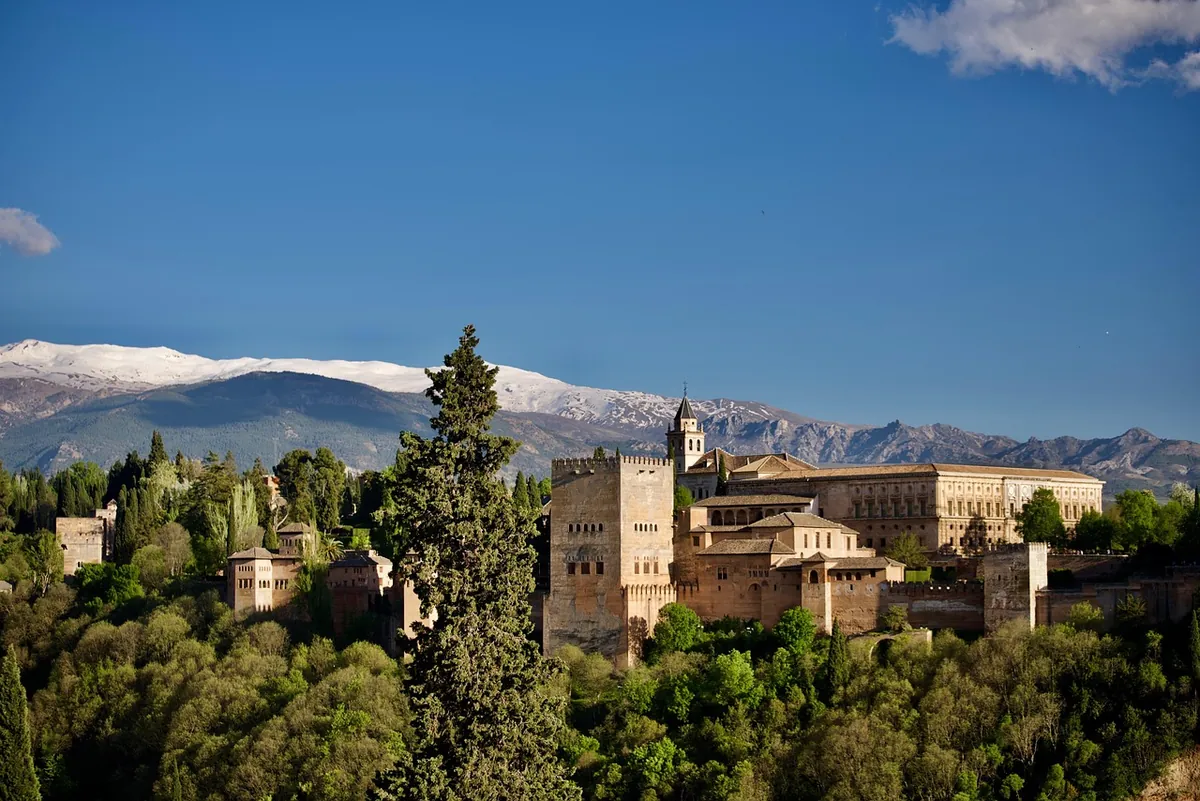
4. Granada
Home to the Alhambra, which is the single most impressive building complex in Spain and possibly in Europe. Tickets sell out weeks in advance — buy only from the official Alhambra site. The Albaicín quarter opposite, the Sierra Nevada an hour away, and a lingering tradition of free tapas with drinks make Granada exceptional value.
5. Valencia
Spain’s third city and its most livable: the birthplace of paella, a stunning silk exchange, Santiago Calatrava’s futuristic City of Arts and Sciences, and a nine-kilometer park built in a drained riverbed running through the middle of town. Excellent beaches, fraction of Barcelona’s crowds.
6. San Sebastián
The gastronomic capital of Spain, and arguably of Europe — more Michelin stars per capita than almost anywhere, plus a pintxos bar culture in the old town that’s a joy at any budget. La Concha is a genuinely beautiful urban beach. Peak season is July–September; the rest of the year is wet.
7. Córdoba
The Mezquita — a mosque-cathedral of forested red-and-white arches — is unlike anything else in Europe. Visit in May for the Patios Festival, when private courtyards open to the public. It’s a comfortable day trip from Seville by high-speed rail, but worth an overnight.
8. Bilbao
Transformed from an industrial port by Frank Gehry’s Guggenheim, with an excellent old town and a serious food scene of its own. The gateway to the Basque coast.
9. Toledo
A walled city on a rock above the Tagus, layering Christian, Muslim, and Jewish history within a single hilltop. Thirty minutes from Madrid by train, so most people day-trip. Stay the night and it empties beautifully.
10. Salamanca
Golden sandstone architecture, Spain’s oldest university, and one of the country’s most beautiful main squares — the Plaza Mayor. Student energy keeps it lively and inexpensive.
11. Santiago de Compostela
The end of the Camino, with a granite old town that’s atmospheric in the rain, which is frequent. Watching pilgrims arrive in the cathedral square is genuinely moving regardless of your beliefs.
12. Málaga
Long dismissed as an airport, now a legitimate destination: Picasso’s birthplace with a good museum, a Moorish fortress, a reworked port, and the warmest winter city climate on the Spanish mainland.
The best places to visit in Spain beyond the cities
- The Alhambra, Granada — worth naming separately. Book months ahead.
- The Camino de Santiago — you don’t need to walk 500 miles; the final 100km from Sarria takes five days and earns the compostela.
- Picos de Europa — dramatic limestone peaks in the north, with the Ruta del Cares gorge walk.
- Ronda — a white town split by a 400-foot gorge, in the heart of Andalusia’s pueblos blancos.
- The Balearic Islands — Mallorca’s Serra de Tramuntana is superb hiking territory, and Menorca is far quieter than its reputation suggests.
- The Canary Islands — year-round warmth, volcanic landscapes, and Spain’s highest peak on Tenerife. The best winter-sun option in Europe.
- Costa Brava — the rugged Catalan coast north of Barcelona, with the Camí de Ronda coastal path.
- La Rioja — Spain’s flagship wine region, with architecturally ambitious modern bodegas.
Getting around
Spain’s high-speed rail network (AVE) is among the world’s best. Madrid to Seville takes about 2.5 hours, Madrid to Barcelona about 2.5–3. Book through Renfe as far ahead as possible for the cheapest fares; competing operators Ouigo and Iryo run the busiest corridors at lower prices.
A car is genuinely useful only for the pueblos blancos, the Picos de Europa, and rural Catalonia. In cities it’s a liability — most historic centers are restricted-traffic zones with automatic camera fines.
Costs and tourist taxes
Spain remains one of western Europe’s best values for food and drink, though accommodation in Barcelona and San Sebastián has risen sharply.
Catalonia raised its tourist tax substantially in 2026. Barcelona hotel guests now pay roughly €10–15 per person per night depending on accommodation category, with holiday rentals around €12.50 and cruise passengers about €6. The Balearic Islands levy a separate sustainable tourism tax that varies by season. Most other Spanish regions charge nothing. Always check whether your quoted rate includes it.
Entry requirements for US travelers
Spain is in the Schengen Area — Americans can visit for up to 90 days in any 180-day period with just a passport.
- The Entry/Exit System (EES) is operating at Spanish borders: fingerprints and a photo on arrival, replacing the passport stamp. Allow extra time at Madrid-Barajas and Barcelona-El Prat.
- ETIAS is not yet in force. The EU removed its late-2026 target in July 2026, making 2027 the likely launch. No legitimate application exists today. Verify at the official EU travel portal.
Spain’s national tourism board, spain.info, publishes current opening hours and festival dates.
Frequently asked questions
What is the best time to visit Spain?
Late April to early June, or September to October. Both windows give you warm but not extreme weather across most of the country, with lower prices and thinner crowds than midsummer.
What is the best month to visit Spain?
May or October. May for spring flowers, long days, and comfortable heat; October for the warmest sea temperatures of the shoulder season and excellent Andalusian weather.
What are the best cities to visit in Spain for a first trip?
Barcelona, Madrid, and Seville, connected by high-speed rail. Add Granada if you have more than a week — the Alhambra justifies the detour on its own.
How many days do you need in Spain?
Ten days for a satisfying first trip covering three cities. Seven works for two. Spain is large and regionally distinct enough that trying to see north and south in one week is a mistake.
Is Spain too hot in August?
Inland and in the south, yes — Seville and Córdoba regularly pass 100°F, and much of daily life shuts down in the afternoon. The northern coast in August, by contrast, is close to perfect.
Planning the rest of your Europe trip
Spain combines easily with its neighbors, and the seasonal calendars complement each other:
- The French border is two hours from San Sebastián by road — our guide to the best time to visit France covers Biarritz, Bordeaux, and the southwest.
- For a cooler central-Europe leg, read about the best time to visit Germany and its rail connections.
- Planning a northern-Europe trip instead in Spain’s hottest months? See the best time to visit Norway for fjord season.
- And for a completely different kind of summer, the best places to visit in Scotland peak at exactly the moment Andalusia becomes unbearable.